Home Slabs in Melbourne
Pour It Strong! Reliable Concrete Services Just a Quote Away!
Strong Foundations for Your Home
When building a new house, nothing is more important than the foundation. High-quality home slabs in Melbourne provide strength, stability, and durability to support your property for decades. A properly designed and poured concrete slab ensures your home remains safe, level, and resistant to cracking or shifting.
If you are planning to build a new home, extend an existing one, or add a shed, investing in the right concrete slab is essential. Our professional concreting team delivers tailored solutions for house slabs across Melbourne so your project starts on the right footing.
Why Choosing the Right Home Slab Matters
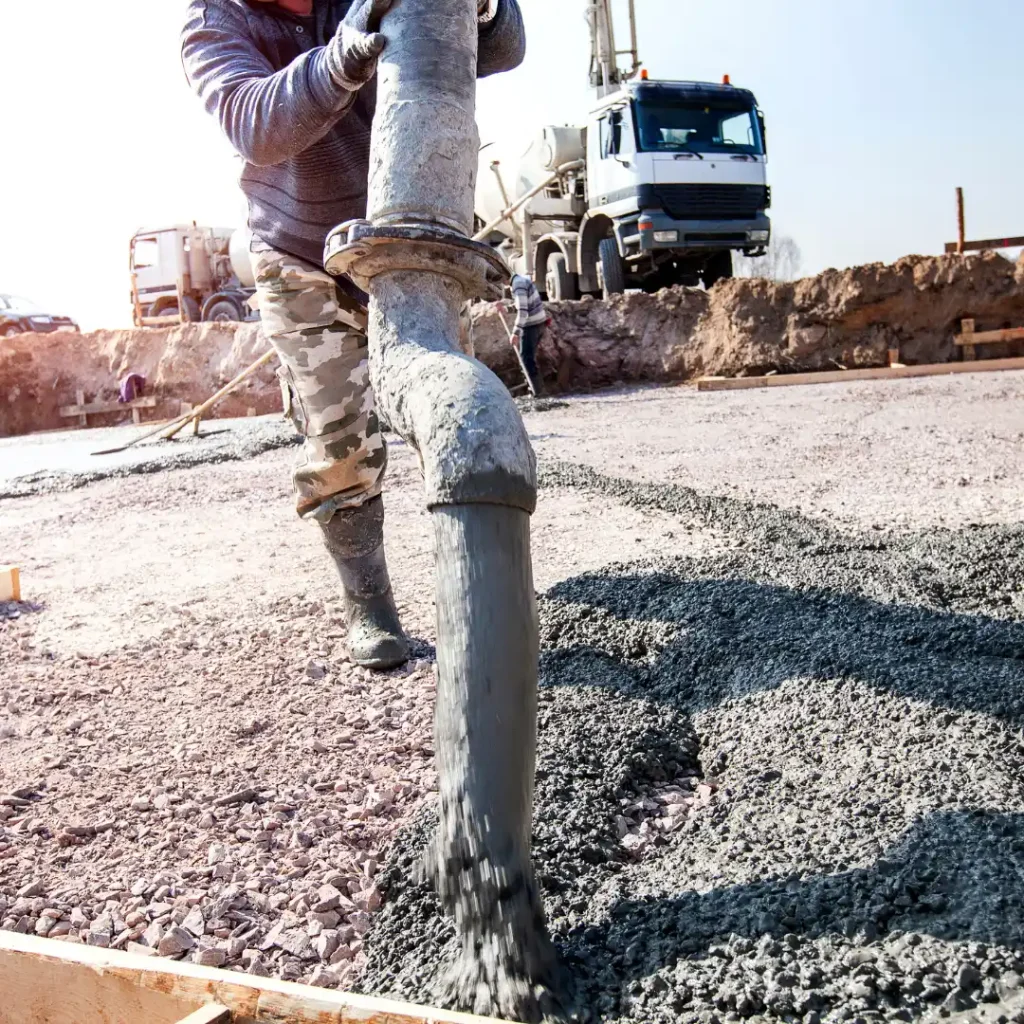
The slab under your house is more than just concrete – it’s the core structure that determines the long-term safety and comfort of your home. A poorly designed slab can lead to structural issues, uneven floors, and costly repairs down the track.
Here’s why choosing the right home slab in Melbourne makes a difference:
Strength & Durability: Properly reinforced concrete slabs handle heavy loads and protect against ground movement.
Moisture Protection: High-quality slabs help prevent rising damp and protect your interiors from moisture damage.
Energy Efficiency: Modern slabs can improve insulation, helping regulate indoor temperatures year-round.
Value for Money: A strong foundation reduces future maintenance costs and adds long-term property value.
By ensuring your slab is designed and poured correctly from the start, you secure peace of mind and avoid unnecessary expenses later.
Types of Home Slabs in Melbourne
Every property is different, and so are the requirements for its foundation. Depending on soil type, design, and usage, different slab options may be recommended. Here are the most common house slab types used in Melbourne:
1. Raft Slab
A raft slab spreads the load evenly across the soil and is ideal for Melbourne’s mixed soil conditions. It includes reinforced beams under the slab for extra strength.
2. Waffle Pod Slab
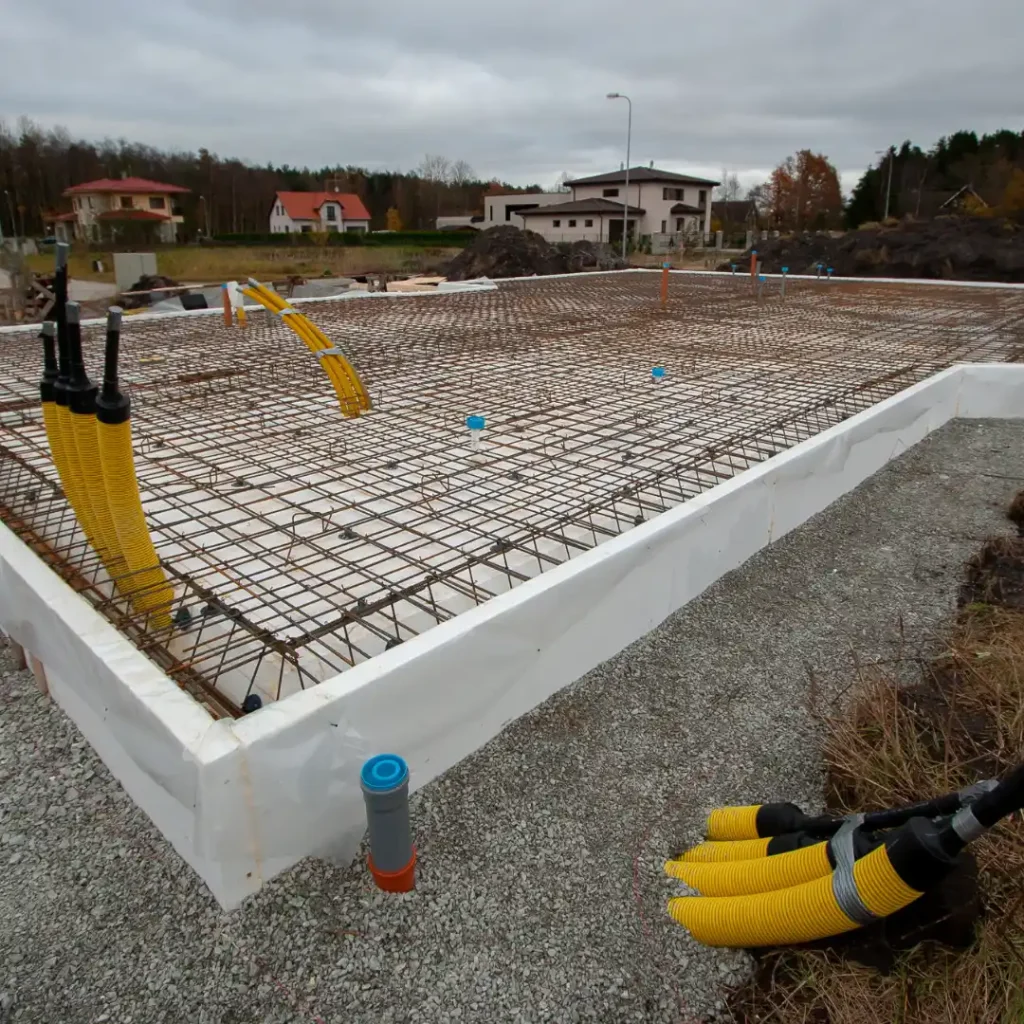
Waffle pod slabs are lightweight, cost-effective, and perfect for residential builds. They use polystyrene pods to create a grid system, reducing concrete usage while maintaining strength.
3. Conventional Slab
This is a traditional slab reinforced with concrete beams and steel. It’s commonly used for both homes and sheds where additional support is required.
4. Suspended Slab
Suspended slabs are elevated and supported by columns or walls. They’re often used in multi-level homes or sloping blocks in Melbourne.
Choosing the right slab depends on site conditions, load requirements, and building design.
Request A Quote
Complete the form below and we’ll contact you ASAP.
Benefits of Concrete Home Slabs in Melbourne
A well-installed concrete slab for homes in Melbourne offers long-lasting advantages:
Low Maintenance: Once installed, slabs require minimal upkeep compared to other foundations.
Termite Resistance: Concrete slabs act as a strong barrier against pests.
Design Flexibility: Suitable for single-storey homes, multi-level homes, and extensions.
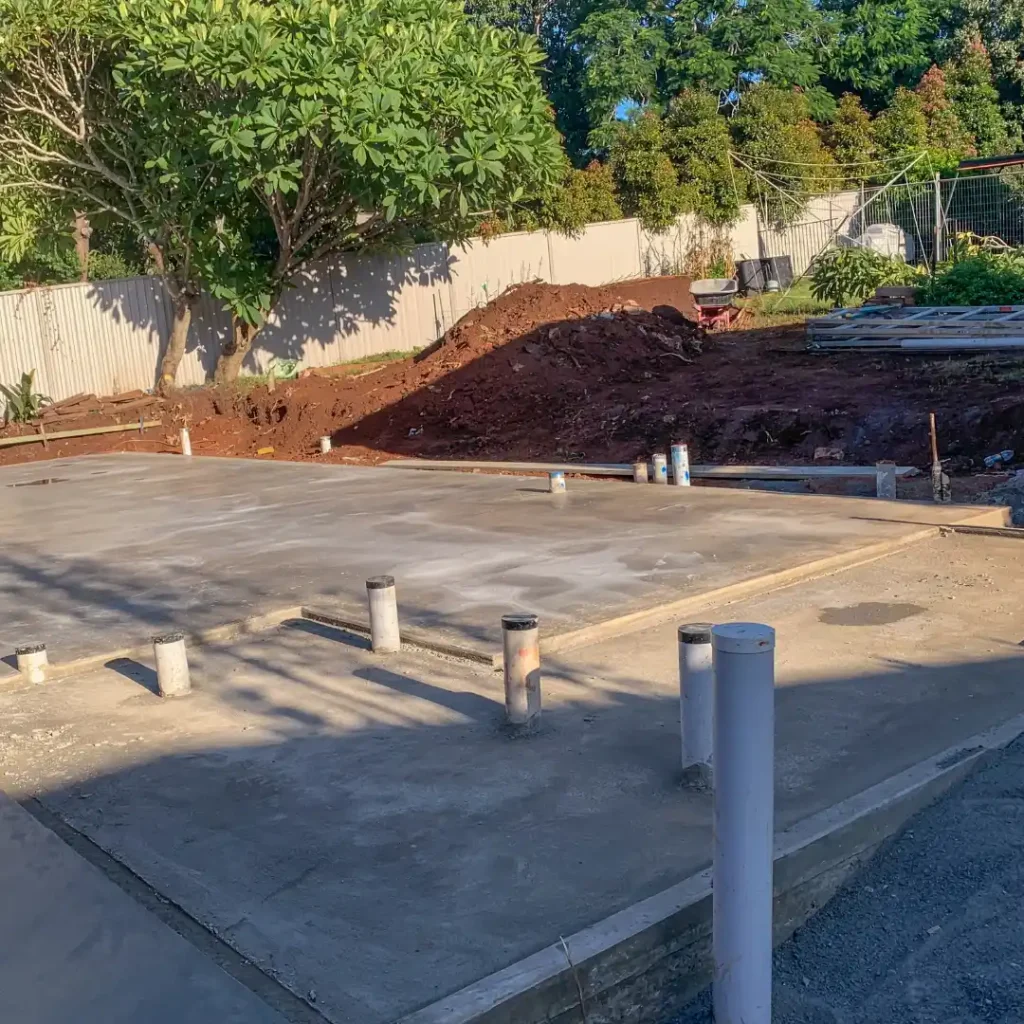
Smooth Finish: Creates a clean and level base for flooring, tiles, or polished concrete finishes.
Longevity: With proper curing and reinforcement, slabs last for decades without major issues.

Home Slabs for Extensions and Renovations
Not every project involves a brand-new house. Many Melbourne homeowners require slabs for extensions, granny flats, or sheds. Whether you’re extending a living area, adding an outdoor patio, or building a backyard structure, the right slab ensures your new space blends seamlessly with the existing property.
Cost of Home Slabs in Melbourne
One of the most common questions is: “What is the cost of a concrete slab for a home in Melbourne?”
Several factors influence the price:
Size and thickness of the slab
Soil condition and site preparation required
Type of reinforcement (steel, waffle pods, etc.)
Access to the property (ease of concrete delivery)
Extra features like footings or insulation
On average, concrete slab prices in Melbourne range depending on these variables. Requesting a detailed quote is the best way to get an accurate estimate for your project.
Choosing Professional Concreters for Home Slabs
When searching for concreters near me or concrete slab contractors in Melbourne, it’s important to find a team that understands both residential requirements and local conditions. Poorly poured slabs can cause long-term problems, while professional concreting ensures precision, strength, and compliance with building codes.
Concrete Slabs for Sheds, Garages & Outdoor Areas
Beyond homes, concrete slabs in Melbourne are essential for outdoor structures. From garden sheds and garages to patios and entertainment spaces, a solid slab provides the perfect base.
Features of outdoor slabs include:
Proper drainage to prevent water pooling
Custom sizing for sheds, workshops, and garages
Options for decorative or polished finishes for patios
Reinforced concrete for vehicle loads
A well-prepared outdoor slab not only supports weight but also enhances functionality.
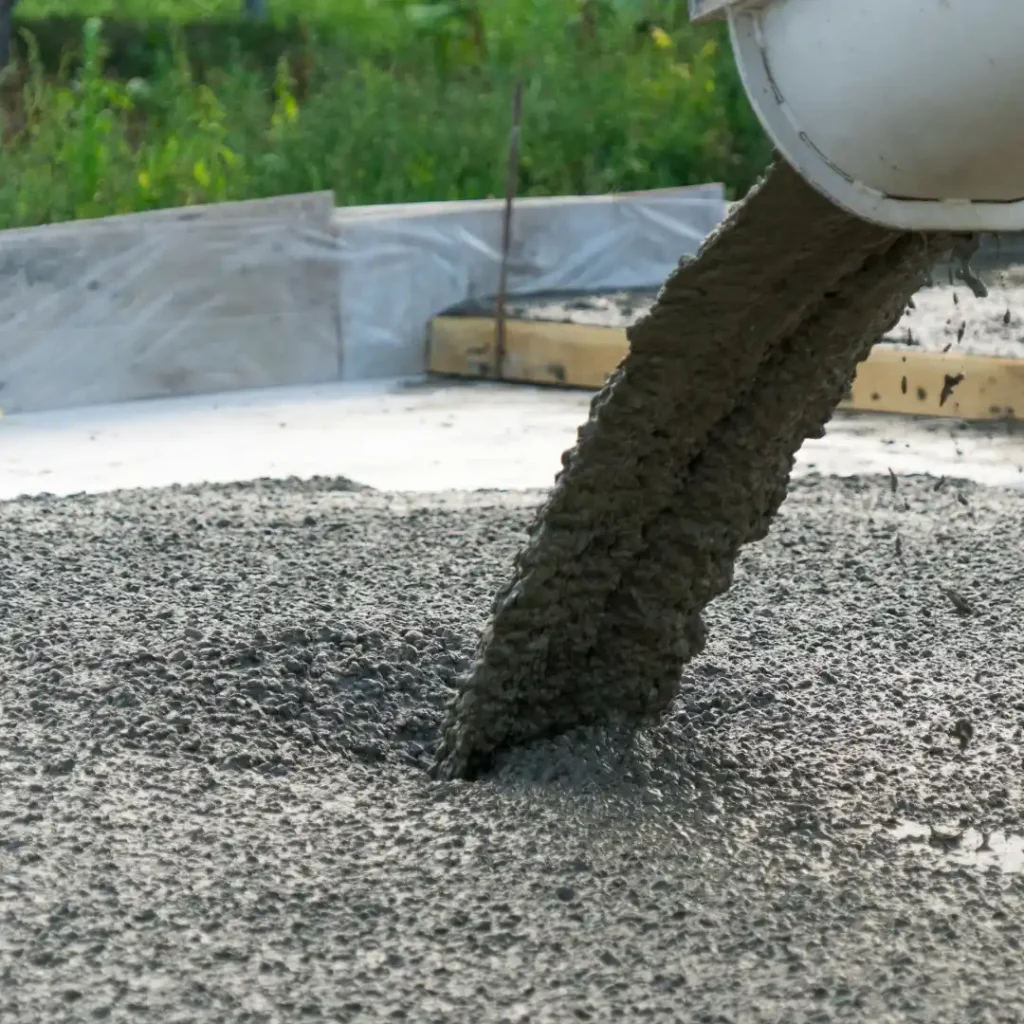

Decorative & Polished Slabs for Homes
Not all slabs remain hidden under flooring. Many homeowners in Melbourne choose polished concrete slabs as a finished surface, creating a modern and stylish interior.
Options include:
Polished Concrete Floors – Sleek and durable with minimal maintenance.
Coloured Concrete Slabs – Adds style to patios, driveways, or exposed areas.
Exposed Aggregate Slabs – Perfect for outdoor entertainment spaces.
These finishes turn a simple slab into a statement feature of your home.
Get a Free Quote for Home Slabs in Melbourne
If you are planning a new build, extension, or outdoor project, a strong and durable slab is the first step. Our concreters provide tailored solutions for home slabs in Melbourne so every detail is handled with care.
Whether you need a raft slab, waffle pod slab, or a custom solution, we can design and pour the right foundation for your property.
Contact Melbourne Concretes today to request a free, no-obligation quote and start building your project on a solid foundation.
Understanding the Importance of Strong Home Slabs in Melbourne Construction
When building a residential property, one of the most crucial yet often overlooked components is the foundation – specifically, the home slabs that support the structure. A home slab is more than just a flat surface of concrete; it is the structural base upon which walls, flooring, and roofing rest. Without a reliable slab, even the most carefully designed home can face structural issues in the long term.
In Melbourne, where soil types range from reactive clay to sandy deposits, having a strong slab design is essential for long-term stability. Poorly designed or constructed home slabs can lead to cracking, subsidence, water seepage, and uneven flooring. These problems not only compromise comfort but also significantly increase repair costs down the track.
One major factor that sets Melbourne apart is its highly reactive clay soil, which expands during wet seasons and contracts in dry conditions. This constant ground movement exerts pressure on the concrete, making it prone to cracks if not designed properly. For this reason, most residential builders use reinforced concrete slabs that include steel mesh or rebar for added strength.
Types of home slabs used in Melbourne include:
Raft Slabs – These are reinforced slabs poured directly on the ground, distributing weight across the soil evenly. They are cost-effective and widely used for single-storey homes.
Waffle Slabs – Raised slabs with voids created by polystyrene pods. They are lightweight and use less concrete, making them a popular choice in modern housing developments.
Suspended Slabs – Used when building on sloping blocks or where the ground is unsuitable for direct slab installation. These slabs are elevated and supported by beams or piers.
The choice between these slab types depends on soil testing, engineering recommendations, and the design of the house. For example, homes built on Melbourne’s western suburbs often require raft slabs due to the clay soil, while sloping blocks in the eastern ranges may benefit from suspended slabs.
Homeowners should also consider insulation and moisture control when installing slabs. Melbourne’s climate can be unpredictable, and without proper damp-proof membranes and vapor barriers, moisture can seep into the slab and cause damage to flooring materials like timber or carpet. Insulating the slab also improves energy efficiency, reducing heating and cooling costs throughout the year.
In short, home slabs form the backbone of Melbourne’s residential construction. Choosing the right slab type, ensuring professional installation, and incorporating reinforcements against soil movement will ensure that a home remains safe, stable, and comfortable for decades.
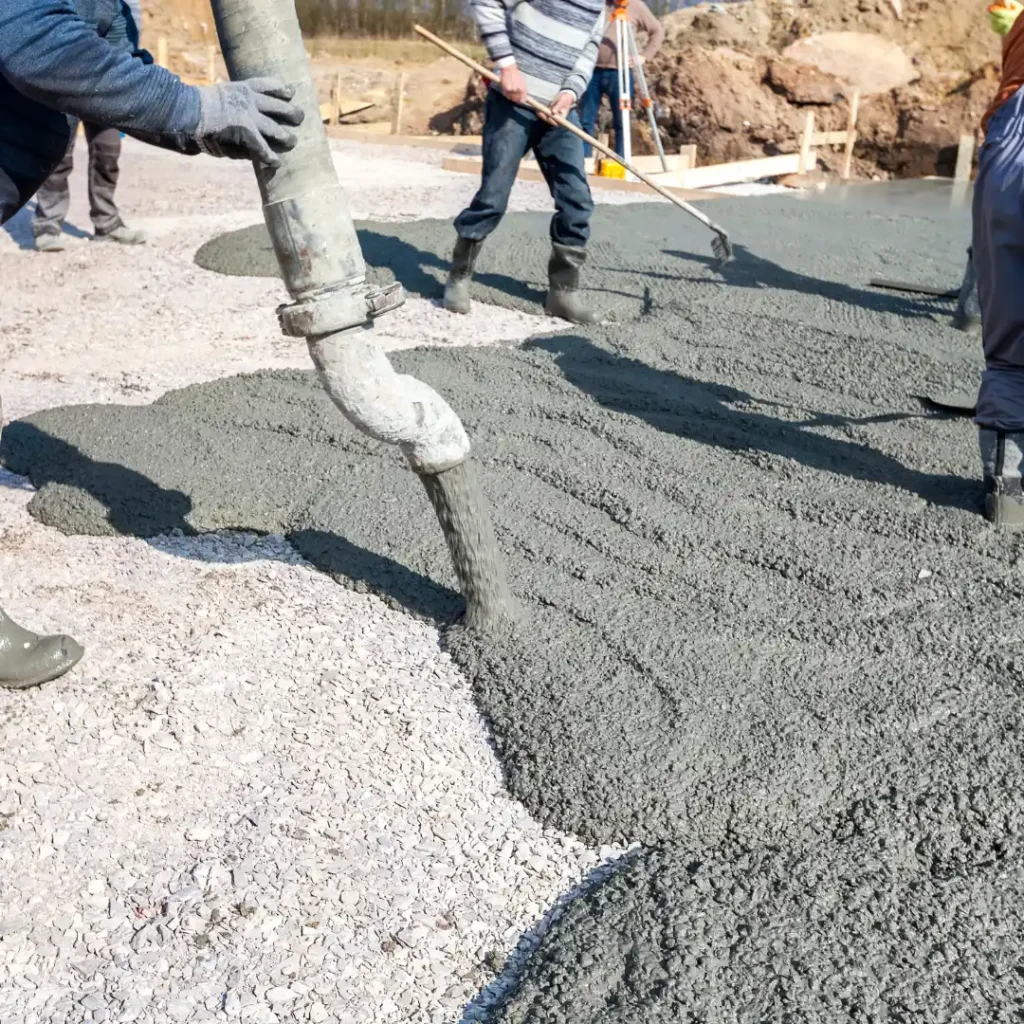

Key Factors That Influence the Design and Durability of Home Slabs
When planning the construction of a house in Melbourne, understanding the factors that affect slab design is critical. Home slabs are not one-size-fits-all; every site requires a tailored solution based on soil conditions, structural requirements, and long-term performance expectations.
Soil Conditions and Site Classification
Melbourne’s soils are classified under the Australian Standard AS 2870, which outlines how soil reactivity impacts foundation design. Common classifications include:
Class A (Stable Soil): Minimal ground movement, suitable for simple slabs.
Class S (Slightly Reactive): Some ground movement; requires reinforced slabs.
Class M (Moderately Reactive Clay): Demands engineered slabs with stronger reinforcement.
Class H1/H2 (Highly Reactive Clay): Needs robust design to resist significant expansion and contraction.
Class E (Extremely Reactive): Specialist slab design is required to prevent structural damage.
In Melbourne, a large number of sites fall under Class M or Class H, making proper engineering essential. Skipping soil testing to save upfront costs is a risky choice that can lead to major repair bills later.
Load Requirements and Structural Considerations
The size and design of a house directly impact slab requirements. A double-storey home places more weight on the slab than a single-storey dwelling. Similarly, homes with heavy roofing materials, brick veneer walls, or stone cladding demand stronger foundations. Engineers calculate load distribution and reinforcement needs before construction begins.
Drainage and Moisture Control
Water is one of the greatest threats to the longevity of home slabs. Poor drainage around a property can cause water to pool under the slab, softening soil and increasing ground movement. To combat this, builders often include perimeter drains, moisture barriers, and sloping site levels to ensure water flows away from the foundation.
Reinforcement Materials
Modern home slabs typically use steel reinforcement to handle both compressive and tensile stresses. Steel mesh, bars, and sometimes post-tension cables are embedded within the slab. The type and thickness of reinforcement are tailored to suit the house design and soil conditions.
Finishes and Flooring Considerations
Another factor that influences slab construction is the intended flooring material. Homes that will have polished concrete floors require extra care in finishing to achieve a smooth, visually appealing result. Timber and tile flooring require flat, even slabs to prevent gaps and cracks.
By carefully considering these factors, homeowners can ensure their home slabs in Melbourne are designed for strength, durability, and resistance to local soil and weather challenges.
Common Problems with Home Slabs and How to Prevent Them
Even the strongest home slabs can develop issues if not designed or maintained properly. Melbourne homeowners often encounter problems caused by soil reactivity, poor drainage, or incorrect construction practices. Understanding these common issues can help prevent long-term damage.
Cracking in Slabs
Hairline cracks are fairly common in concrete and often occur due to natural shrinkage during curing. However, large or uneven cracks may signal deeper issues such as poor soil preparation or insufficient reinforcement. To reduce the risk of cracking, proper compaction of soil, correct reinforcement placement, and controlled curing are essential.
Uneven Settlement
If one part of the slab settles more than another, floors can become uneven, and walls may develop cracks. This usually happens when the soil beneath the slab was not compacted evenly or when water weakens the soil structure. Engineers often recommend site compaction tests before slab installation to avoid this problem.
Water Damage and Rising Damp
Moisture rising through a slab can damage flooring materials and create an unhealthy indoor environment. Installing a plastic vapor barrier beneath the slab prevents this issue. Additionally, ensuring proper drainage around the property stops water pooling near foundations.
Edge Heaving
In reactive clay soils, moisture changes cause soil at the edges of slabs to expand or contract more than at the center. This creates a lifting effect, known as heaving, which can cause doors and windows to jam. Preventing this requires careful landscaping to avoid excessive water retention near the slab edges.
Corrosion of Reinforcement
If moisture penetrates deep into the slab and reaches the steel reinforcement, rusting can occur. This not only weakens the slab but also causes visible cracks as the steel expands. High-quality concrete mixes with adequate cover over reinforcement help prevent corrosion.
By identifying and addressing these issues early, homeowners can extend the life of their home slabs and avoid expensive repairs. Regular inspections, especially in Melbourne’s clay-dominant suburbs, are highly recommended to ensure slab integrity over time.

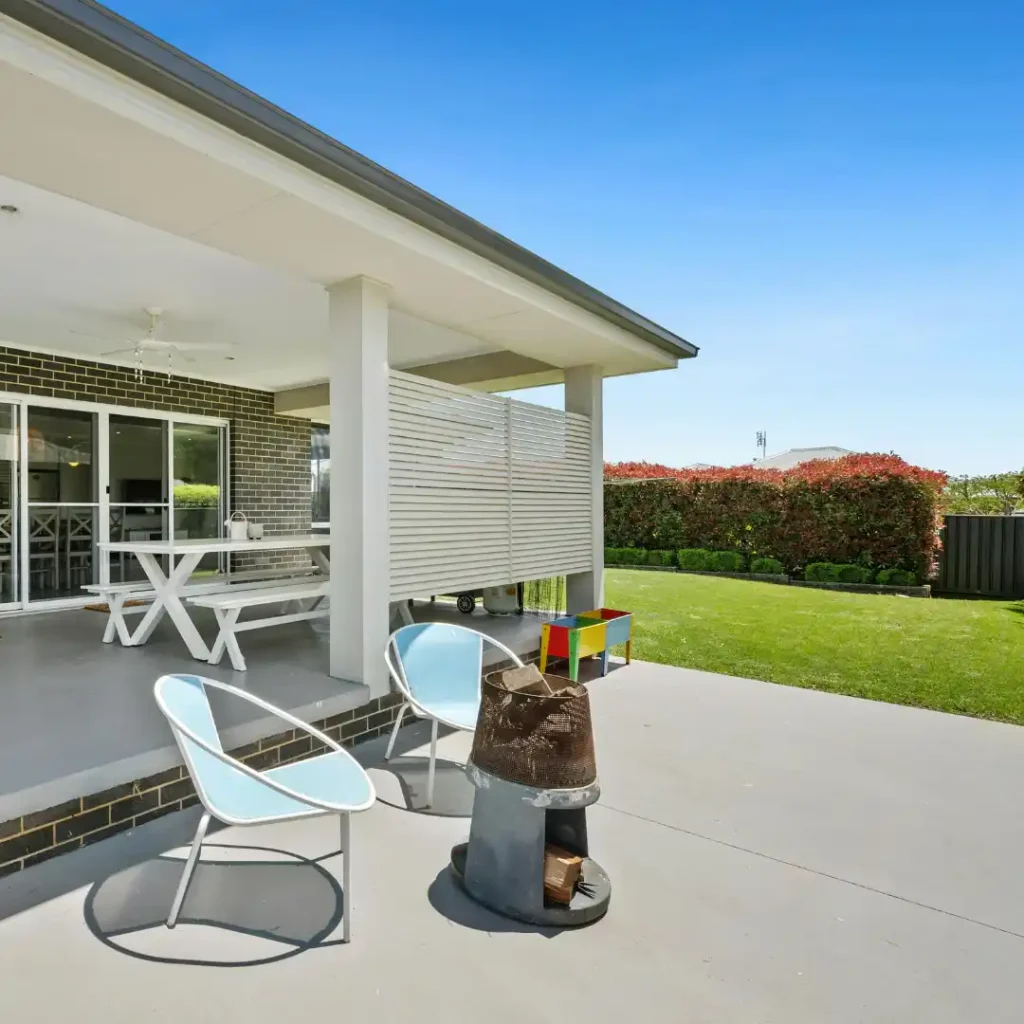
Future Trends and Innovations in Home Slabs for Melbourne Properties
The construction industry is constantly evolving, and home slabs are no exception. Melbourne builders and engineers are adopting innovative technologies and materials to improve performance, reduce environmental impact, and lower long-term maintenance costs.
Sustainable Concrete Mixes
Traditional concrete has a large carbon footprint due to cement production. In response, eco-friendly alternatives such as fly ash, slag, and recycled aggregates are being used in slab construction. These materials not only reduce emissions but also enhance durability.
Post-Tensioned Slabs
Post-tensioning involves placing high-strength steel cables inside the slab and tightening them after the concrete sets. This technique reduces cracking, allows thinner slabs, and provides greater flexibility for architectural designs. While more common in commercial projects, it is increasingly being used in residential builds.
Insulated Slab Systems
With energy efficiency becoming a priority in Melbourne housing, insulated slabs are gaining popularity. These slabs include built-in thermal barriers that reduce heat loss in winter and minimize heat gain in summer, improving comfort and lowering energy bills.
Smart Monitoring Technology
Emerging technologies now allow slabs to be embedded with sensors that monitor moisture levels, stress, and temperature changes. These sensors provide real-time data to homeowners and builders, helping detect issues before they become major problems.
Polished and Decorative Concrete Finishes
A growing number of homeowners in Melbourne are choosing polished concrete slabs as their final flooring solution. This eliminates the need for additional flooring materials, reduces costs, and creates a sleek, modern appearance. Decorative techniques such as staining and stamping also add aesthetic appeal while maintaining durability.
Pre-Fabricated Slabs
Prefabrication is revolutionizing construction efficiency. Slabs can now be cast in controlled environments and transported to the site for installation. This reduces construction time, minimizes errors, and ensures higher quality control.
By keeping up with these innovations, Melbourne homeowners can build properties that are not only structurally strong but also environmentally responsible and cost-efficient. The future of home slabs is moving towards smarter, greener, and more adaptable solutions that benefit both homeowners and the environment.
Frequently Asked Questions (FAQs)
Look for contractors with proven experience, customer reviews, and a portfolio of work. Reliable Melbourne concreters should also provide clear quotes and knowledge of local building standards.
The cost of a concrete driveway in Melbourne depends on size, finish, and site preparation. On average, standard driveways cost less than exposed aggregate driveways or coloured concrete finishes.
Exposed aggregate driveways are popular in Melbourne because they are durable, non-slip, and available in a wide range of decorative finishes. They also withstand heavy traffic and weather conditions.
Yes. Polished concrete floors are stylish, low-maintenance, and highly durable. Many homeowners choose polished finishes for living rooms, kitchens, and outdoor entertaining areas.
Professional concrete contractors in Melbourne can prepare and pour house slabs and concrete footings. These form the foundation of a safe and stable home.
Most concrete driveways in Melbourne take 3–5 days depending on size, weather, and the type of finish. Decorative or exposed aggregate driveways may take longer due to curing and sealing.
Popular finishes include exposed aggregate, polished concrete, honed concrete, stamped patterns, and coloured concrete. Each finish offers different visual styles and slip resistance.
Yes. Concrete is ideal for patios, pool surrounds, and outdoor kitchens. Melbourne homeowners often choose exposed aggregate or honed concrete for slip resistance and modern design.
Concrete driveways generally last longer and require less maintenance compared to paving. Options like coloured concrete driveways and exposed aggregate driveways also improve curb appeal.
Most reputable concrete contractors in Melbourne offer free, no-obligation quotes for driveways, slabs, footings, and decorative finishes. This helps homeowners compare pricing before starting a project.
With proper installation and sealing, concrete driveways, pathways, and slabs can last 25–30 years or more. Choosing professional concreters ensures maximum durability.
Yes. Homeowners can choose from a wide range of coloured concrete, stamped patterns, and decorative finishes. Customisation allows concrete to complement any home style in Melbourne.