Concrete Slabs in Melbourne
Pour It Strong! Reliable Concrete Services Just a Quote Away!
Concrete Slabs
When it comes to building a house, shed, or outdoor space, a solid foundation makes all the difference. Concrete slabs in Melbourne are one of the most reliable solutions for long-lasting strength, stability, and durability. Whether you’re preparing a base for a new home, a shed floor, or an outdoor entertainment area, the right slab installation ensures your project stands the test of time.
Why Choose Concrete Slabs for Your Project?
Concrete slabs are one of the most popular construction choices in Melbourne because they are:
Durable and long-lasting – designed to handle heavy loads and daily use.
Versatile – ideal for house foundations, garage floors, patios, and shed bases.
Low-maintenance – once installed, concrete slabs require minimal upkeep.
Cost-effective – compared to alternative foundations, concrete offers excellent value.
Customisable – can be finished smooth, textured, polished, or even coloured.
A properly installed concrete slab provides a flat, stable surface that resists cracking, shifting, and weather damage. This makes it a smart choice for Melbourne homes and businesses looking for strong and reliable groundwork.
Types of Concrete Slabs in Melbourne
Different projects require different slab styles. Below are the most common types of concrete slabs we install across Melbourne:
1. House Slabs
A house slab forms the base of your entire home. With proper reinforcement and design, it provides structural integrity for walls, flooring, and roofing. Melbourne’s soil conditions make a strong concrete house slab essential for long-term stability.
2. Shed Slabs
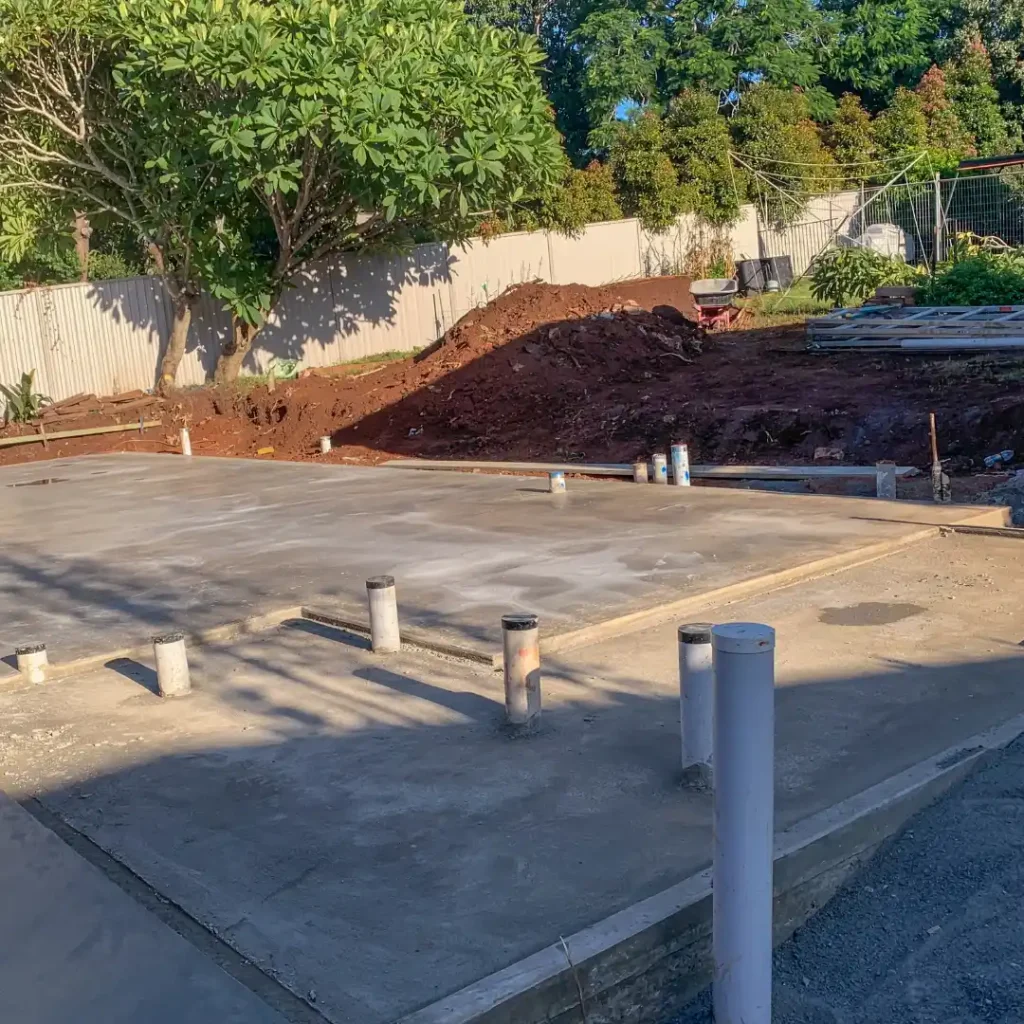
Need a secure base for your shed or workshop? Concrete shed slabs offer a flat, durable surface that prevents moisture damage and supports heavy equipment.
3. Patio Slabs
Concrete patios are growing in popularity for outdoor living areas. A slab can be poured to suit any size or shape, and finished with coloured concrete, exposed aggregate, or decorative designs.
4. Driveway Slabs
For a driveway that lasts, a reinforced concrete slab provides the strength to handle cars, trucks, and daily use without sinking or cracking.
5. Commercial Slabs
From warehouses to workshops, commercial concrete slabs are built to handle heavier loads and larger surface areas.
Benefits of Choosing Professional Concrete Slabs in Melbourne
When investing in concrete slabs, professional installation ensures:
Correct slab thickness and reinforcement.
Proper drainage to prevent water damage.
Smooth and level finish for easy use.
Long-lasting strength and minimal repairs.
Cutting corners on slab installation can lead to costly problems later. A well-laid slab means peace of mind and a reliable foundation for years to come.
Request A Quote
Complete the form below and we’ll contact you ASAP.
Concrete Slabs for Homes
Building a new house? Home slabs in Melbourne play a critical role in the strength of your property. A poorly designed or installed slab can lead to structural issues like cracks in walls and uneven floors. Choosing high-quality concrete and correct reinforcement ensures your slab provides lasting support for your home.
House slabs can be customised depending on your design:
Raft slabs – poured directly onto the ground, ideal for most residential builds.
Waffle slabs – lighter and cost-efficient, commonly used in Melbourne suburbs.
Suspended slabs – elevated designs for multi-storey or sloping blocks.

Concrete Shed Slabs in Melbourne
Whether you’re installing a small backyard shed or a large workshop, a concrete slab is the best base. Shed slabs provide:
Protection from ground moisture.
A level surface for storage or machinery.
Durability for heavy use.
You can also choose to leave the shed slab plain or add a polished finish for a cleaner, more professional look.
Concrete Patio Slabs
Patios are a great way to extend your living space outdoors. Concrete patio slabs in Melbourne can be designed in multiple finishes:
Coloured concrete for a stylish modern look.
Exposed aggregate for slip-resistance and decorative appeal.
Polished concrete for a sleek, smooth finish.
With the right design, a concrete patio becomes both functional and visually appealing.
How Much Do Concrete Slabs Cost in Melbourne?
The cost of concrete slabs in Melbourne depends on:
Slab size and thickness.
Site preparation needs.
Reinforcement type.
Chosen finish (plain, coloured, polished, exposed aggregate).
On average, homeowners spend between $70 to $120 per square metre for basic concrete slabs. Decorative or thicker slabs may cost more, but they add long-term value to your property.
Choosing the Right Finish for Your Concrete Slab
Your slab doesn’t have to be plain grey. Today, there are many decorative concrete options in Melbourne, including:
Exposed aggregate concrete for natural stone appeal.
Coloured concrete with pigments to match outdoor designs.
Polished concrete floors for indoor and outdoor spaces.
Stamped concrete to mimic tiles or pavers.
These finishes not only enhance appearance but also improve durability and slip resistance.

Why Concrete Slabs Are a Smart Investment
Concrete slabs are more than just a surface — they are an investment into the stability and value of your property. From providing a strong base for houses and sheds to creating stylish outdoor areas, slabs offer unmatched versatility.
By choosing concrete, you get:
A foundation that lasts decades.
Resistance to Melbourne’s weather conditions.
A cost-effective flooring and foundation solution.
Flexibility in design and finish.
Get a Free Concrete Slab Quote in Melbourne
Planning a new build, renovation, or outdoor project? A properly installed slab makes all the difference. If you’re searching for “concrete slabs Melbourne”, now is the time to take the next step.
Contact Melbourne Concretes today for a free quote on your concrete slab installation in Melbourne. Our team will guide you through options, costs, and finishes so you can get the best results for your project.
The Different Types of Concrete Slabs and Their Practical Applications
Concrete slabs are one of the most versatile structural elements used in both residential and commercial construction across Melbourne. Understanding the various types of concrete slabs is essential before choosing the right option for a specific project. Each slab type has unique strengths, durability levels, and applications, making it important to select one that matches the property’s design, soil conditions, and long-term requirements.
1.1 Traditional Ground Slabs
Ground slabs are among the most common forms of concrete slabs. These are laid directly onto the soil surface and are widely used in suburban housing developments, sheds, and pathways. The soil beneath is typically compacted to provide a stable base, and in some cases, a layer of sand or gravel is added for extra support. Ground slabs are cost-effective, quick to install, and provide sufficient strength for light to medium loads.
1.2 Suspended Slabs
Suspended slabs are elevated and supported by columns, beams, or walls rather than being placed directly on the ground. These are commonly used in multi-storey buildings, basements, or areas where soil stability is a concern. Suspended slabs can be precast off-site or poured in place, giving designers and builders more flexibility. This type of concrete slab offers superior durability and is designed to handle heavy loads and long-term wear.
1.3 Waffle Slabs
Waffle slabs, also known as ribbed slabs, have a grid pattern of deep ribs running beneath the surface. This design allows for reduced material use while still maintaining exceptional strength. They are ideal for residential homes in areas with reactive soils because the slab’s structure helps distribute weight evenly. Waffle slabs are highly popular in Melbourne’s housing sector because they can be built faster and require less excavation compared to traditional methods.
1.4 Raft Slabs
Raft slabs, sometimes referred to as mat foundations, spread the load of a building across a large area. These are thicker and stronger than conventional slabs and are commonly used in areas with poor or highly reactive soil conditions. Raft slabs reduce the risk of cracking and structural movement by distributing weight evenly. They are often chosen for homes in Melbourne suburbs with clay-heavy soils that expand and contract with weather changes.
1.5 Precast Slabs
Precast concrete slabs are manufactured in controlled environments and transported to the construction site for installation. This method ensures consistency, reduces on-site labour, and speeds up construction timelines. Precast slabs are commonly used in industrial buildings, bridges, and commercial complexes. Their durability and resistance to environmental factors make them a long-lasting solution for high-traffic areas.
1.6 Decorative Concrete Slabs
For homeowners in Melbourne looking to enhance aesthetics, decorative slabs such as polished concrete, coloured finishes, or exposed aggregate slabs offer both functionality and style. These slabs are ideal for patios, driveways, and indoor flooring where appearance is just as important as strength.
By carefully considering soil conditions, project requirements, and desired finishes, property owners can choose the perfect concrete slab type that ensures both structural integrity and long-term value.

Key Benefits of Using Concrete Slabs in Melbourne Construction
Concrete slabs remain a go-to choice for modern construction because they deliver a wide range of benefits that alternative materials often cannot match. From cost efficiency to sustainability, concrete slabs are an investment that pays off in both performance and durability.
2.1 Strength and Longevity
Concrete slabs are incredibly strong and capable of withstanding heavy loads, whether used for housing foundations, garage floors, or industrial complexes. When properly installed and maintained, a concrete slab can last for decades without significant structural issues. Unlike timber or other materials, concrete does not rot, warp, or suffer from termite damage, making it a dependable option for Melbourne’s varying climate.
2.2 Energy Efficiency
Concrete slabs have a high thermal mass, which means they absorb and store heat during the day and release it slowly at night. In Melbourne’s climate, this property helps maintain consistent indoor temperatures, reducing the need for excessive heating or cooling. This natural insulation contributes to lower energy bills and increased comfort for residents.
2.3 Cost-Effectiveness
When compared with other foundation and flooring systems, concrete slabs often provide better long-term value. Initial installation costs are competitive, and the minimal maintenance required ensures ongoing savings. In addition, the durability of concrete slabs reduces the likelihood of expensive repairs or replacements in the future.
2.4 Versatility in Design
Concrete slabs can be adapted to suit a wide variety of applications, from residential homes and backyard patios to commercial warehouses and industrial facilities. With options for decorative finishes, polishing, and stamping, concrete slabs also cater to aesthetic preferences without compromising strength.
2.5 Fire and Pest Resistance
Concrete slabs are naturally resistant to fire and pests, offering added security for Melbourne property owners. This makes them a safer option for both residential and commercial builds, especially in areas prone to bushfires or termite infestations.
2.6 Sustainability
Concrete is a sustainable building material when produced and used responsibly. Many slabs incorporate recycled materials like fly ash or slag cement, reducing the environmental impact. Additionally, concrete’s long lifespan reduces waste over time, making it a smart choice for eco-conscious projects.
Whether for structural strength, energy savings, or long-term cost efficiency, the benefits of concrete slabs make them a superior choice for building projects across Melbourne.
Essential Preparation and Installation Process of Concrete Slabs
Installing concrete slabs is a complex process that requires precision, proper planning, and adherence to Australian building standards. Each stage of the installation has a direct impact on the slab’s durability and long-term performance.
3.1 Site Assessment and Preparation
Before laying concrete slabs, builders conduct a thorough site inspection. Factors like soil condition, drainage, and load requirements are analysed. In Melbourne, many suburbs have reactive clay soils, making soil testing an important step. Once the assessment is complete, the ground is cleared of vegetation, levelled, and compacted.
3.2 Formwork Setup
Formwork acts as a mould for the concrete slab, defining its shape and size. Timber or steel is commonly used to build sturdy formwork that can withstand the pressure of wet concrete. Precise formwork is essential to achieving clean edges and maintaining accurate slab dimensions.
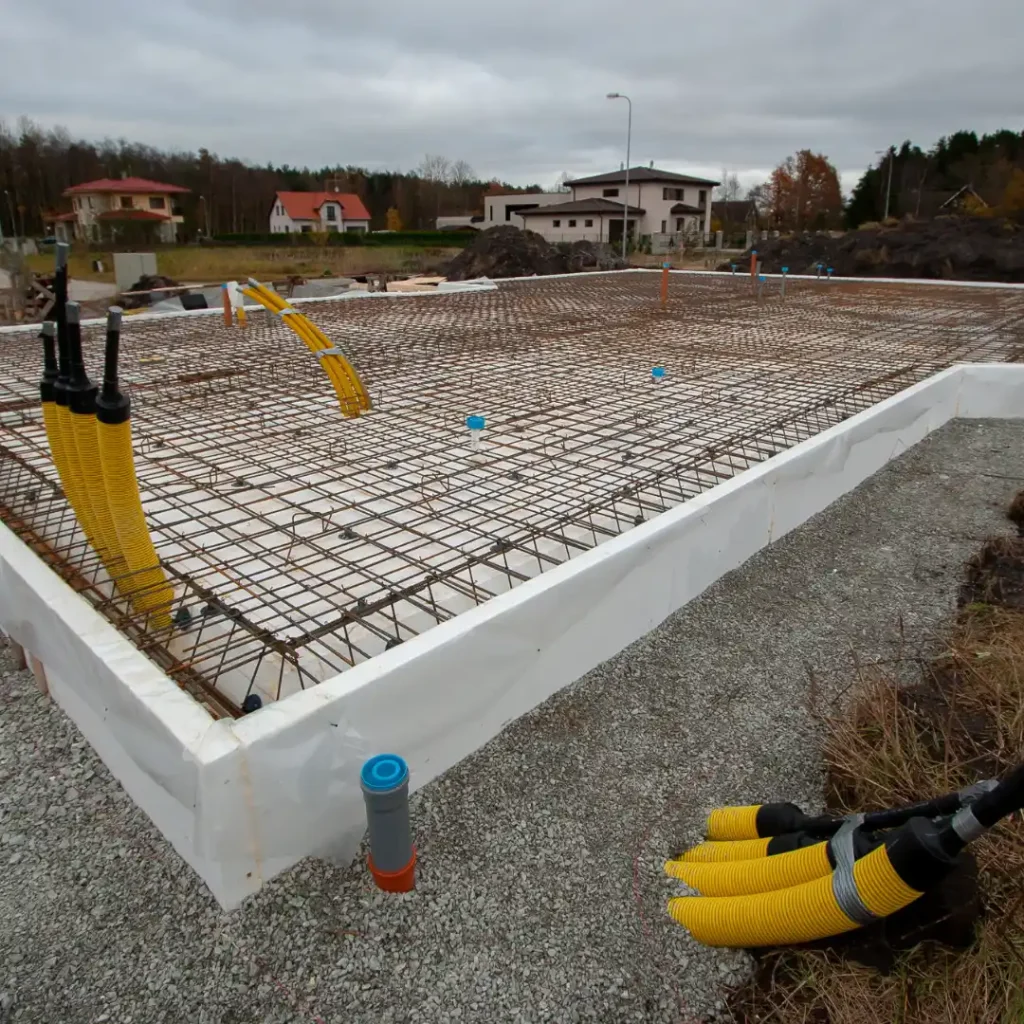
3.3 Adding Reinforcement
Steel reinforcement, often in the form of mesh or rebar, is placed within the formwork to enhance the slab’s strength and reduce cracking risks. Reinforcement is especially important in suspended slabs, raft slabs, or any slab designed to bear heavy loads.
3.4 Pouring and Levelling the Concrete
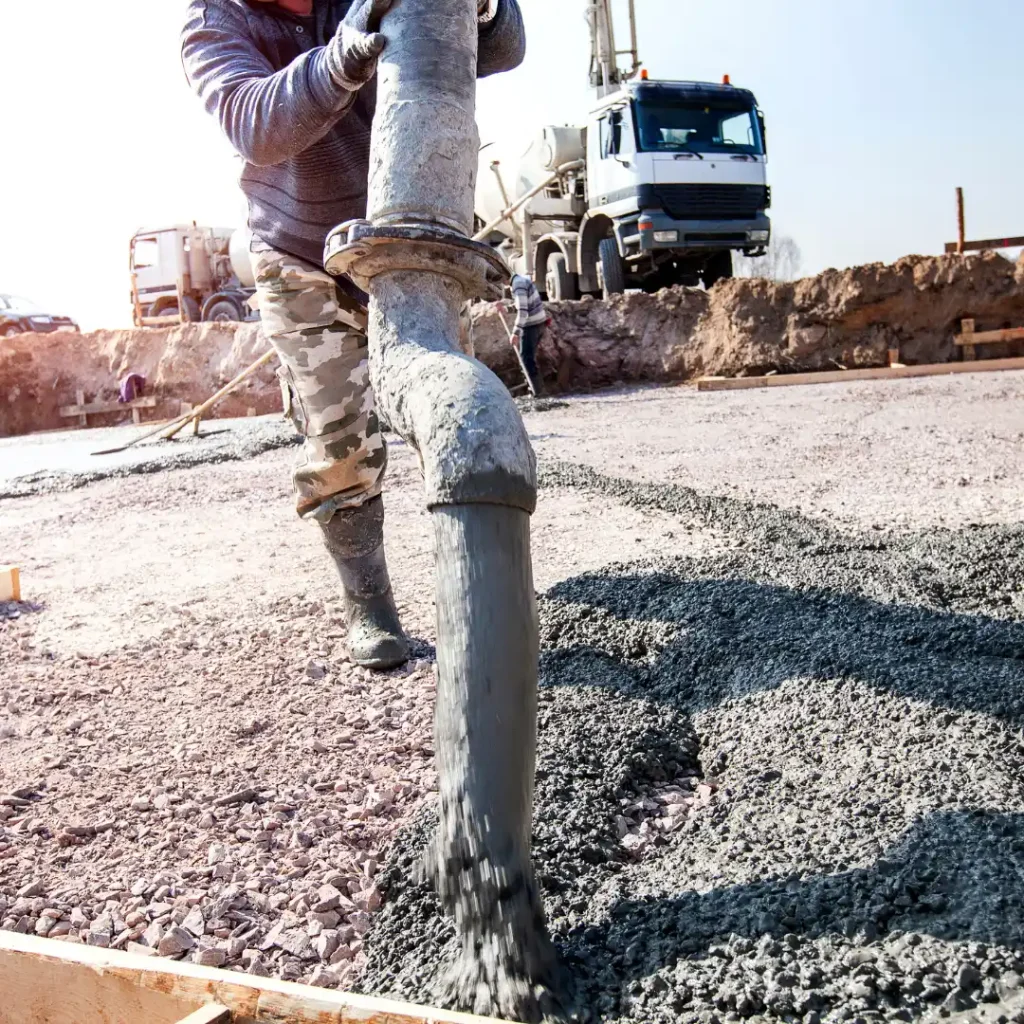
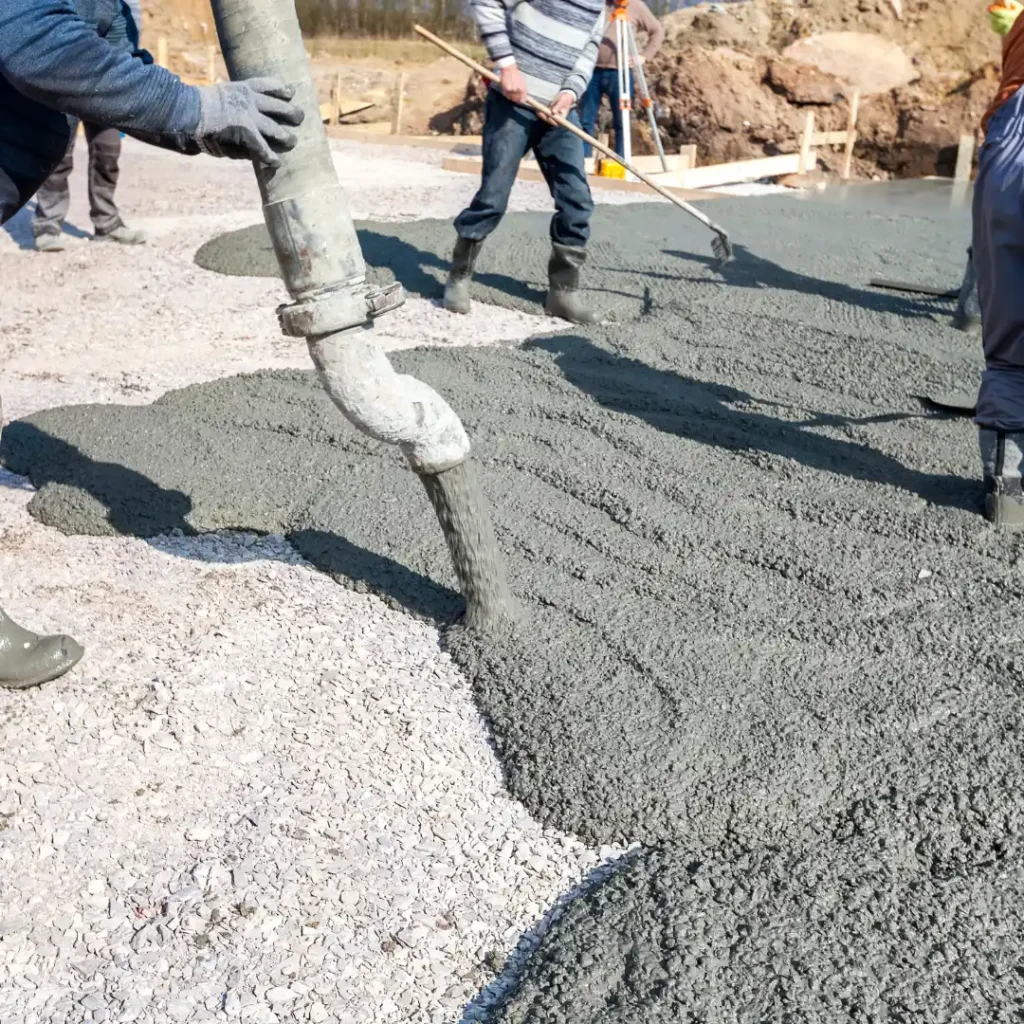
Once reinforcement is in place, concrete is poured into the formwork. The mix must be carefully chosen based on the slab’s purpose, ensuring the correct strength and durability. After pouring, the concrete is spread and levelled using specialised tools to achieve a smooth and even surface.
3.5 Finishing Techniques
Depending on the project, slabs may receive different finishes. Options include broom finishes for slip resistance, polished finishes for indoor spaces, or exposed aggregate finishes for decorative outdoor use. Proper finishing not only improves aesthetics but also enhances the slab’s functionality.
3.6 Curing the Concrete
Curing is a vital step that allows concrete to gain maximum strength. The slab is kept moist for several days to prevent premature drying, which can cause cracking. In Melbourne’s climate, builders often use curing compounds or coverings to ensure consistent hydration.
3.7 Final Inspection
After curing, the slab undergoes a detailed inspection to check for cracks, surface inconsistencies, or drainage issues. Addressing any issues early ensures the slab remains durable and functional for decades.
A well-prepared and professionally installed concrete slab provides a strong foundation for any structure, ensuring safety, stability, and long-term performance.

Maintenance and Long-Term Care for Concrete Slabs
While concrete slabs are highly durable, they still require some level of maintenance to maximise their lifespan. Proper care helps protect against surface damage, cracking, and environmental wear.
4.1 Regular Cleaning
Concrete slabs, especially outdoor ones, can accumulate dirt, stains, and organic growth such as moss. Regular sweeping and washing help keep the surface clean. For stubborn stains, mild detergents or pressure washing may be used without damaging the slab.
4.2 Sealing the Surface
Applying a concrete sealer creates a protective layer that resists water, oil, and chemical penetration. This is particularly useful for driveways, garage floors, and outdoor patios exposed to Melbourne’s weather. Sealers should be reapplied every few years for continued protection.
4.3 Monitoring for Cracks
Small hairline cracks are common in concrete slabs due to natural shrinkage. However, larger cracks should be addressed quickly to prevent structural issues. Filling cracks with epoxy or other concrete repair products can stop further damage.
4.4 Preventing Heavy Impact
Although concrete slabs are strong, sharp or heavy impacts can chip or damage the surface. Using protective mats under heavy equipment or avoiding dropping heavy objects helps preserve the slab’s appearance and integrity.
4.5 Controlling Moisture
Proper drainage is critical to preventing water from pooling around slabs. Excessive moisture can weaken the soil beneath, especially in areas with clay-heavy ground. Installing adequate drainage systems ensures long-term stability.
4.6 Resurfacing Options
Over time, concrete slabs may show signs of wear. Resurfacing provides a cost-effective way to restore both strength and appearance without needing full replacement. Options include overlays, polishing, or applying decorative coatings.
With consistent maintenance, concrete slabs can remain strong, attractive, and functional for decades, making them a long-lasting investment for Melbourne property owners.
Frequently Asked Questions (FAQs)
Look for contractors with proven experience, customer reviews, and a portfolio of work. Reliable Melbourne concreters should also provide clear quotes and knowledge of local building standards.
The cost of a concrete driveway in Melbourne depends on size, finish, and site preparation. On average, standard driveways cost less than exposed aggregate driveways or coloured concrete finishes.
Exposed aggregate driveways are popular in Melbourne because they are durable, non-slip, and available in a wide range of decorative finishes. They also withstand heavy traffic and weather conditions.
Yes. Polished concrete floors are stylish, low-maintenance, and highly durable. Many homeowners choose polished finishes for living rooms, kitchens, and outdoor entertaining areas.
Professional concrete contractors in Melbourne can prepare and pour house slabs and concrete footings. These form the foundation of a safe and stable home.
Most concrete driveways in Melbourne take 3–5 days depending on size, weather, and the type of finish. Decorative or exposed aggregate driveways may take longer due to curing and sealing.
Popular finishes include exposed aggregate, polished concrete, honed concrete, stamped patterns, and coloured concrete. Each finish offers different visual styles and slip resistance.
Yes. Concrete is ideal for patios, pool surrounds, and outdoor kitchens. Melbourne homeowners often choose exposed aggregate or honed concrete for slip resistance and modern design.
Concrete driveways generally last longer and require less maintenance compared to paving. Options like coloured concrete driveways and exposed aggregate driveways also improve curb appeal.
Most reputable concrete contractors in Melbourne offer free, no-obligation quotes for driveways, slabs, footings, and decorative finishes. This helps homeowners compare pricing before starting a project.
With proper installation and sealing, concrete driveways, pathways, and slabs can last 25–30 years or more. Choosing professional concreters ensures maximum durability.
Yes. Homeowners can choose from a wide range of coloured concrete, stamped patterns, and decorative finishes. Customisation allows concrete to complement any home style in Melbourne.