Concrete Footings in Melbourne
Pour It Strong! Reliable Concrete Services Just a Quote Away!
Strong Foundations for Every Project
When it comes to building a solid and lasting structure, concrete footings in Melbourne are the first and most important step. Footings act as the base that transfers the weight of a house, shed, retaining wall, or any other structure to the ground. Without properly designed and poured footings, even the strongest concrete slab or retaining wall won’t perform as intended.
That’s why many property owners and builders across Melbourne search for concreters near me who can handle reliable footing installation. Properly poured footings ensure long-term stability, reduce risks of cracking or sinking, and keep your entire project safe for years to come.


What Are Concrete Footings and Why Are They Important?
Concrete footings are reinforced bases, usually poured below ground level, designed to distribute the load of a structure evenly. In Melbourne, where different soil types can affect construction, footings are crucial for preventing movement or shifting over time.
Key benefits of quality footings include:
Strength & Stability – They create a dependable base for slabs, walls, and posts.
Even Load Distribution – Reduces stress on the soil and prevents sinking.
Long-Term Durability – Minimises cracking in concrete slabs and retaining walls.
Compliance with Building Requirements – Properly installed footings meet structural and safety standards.
Whether you’re planning a new house slab, shed pad, or retaining wall, concrete footings Melbourne projects always begin with this essential step.
Types of Concrete Footings Commonly Used in Melbourne
Not all construction projects require the same type of footing. Depending on the load and soil conditions, concreters in Melbourne may recommend different footing designs.
1. Strip Footings
These are continuous strips of concrete used under load-bearing walls. Ideal for houses and sheds, they provide even support along the wall’s length.
2. Pad Footings
Square or rectangular pads placed under columns or posts. These are perfect for verandahs, pergolas, and carports where individual posts carry heavy loads.
3. Slab Footings
Used in combination with house or shed slabs, these provide additional support at critical points, especially in reactive soils around Melbourne.
4. Retaining Wall Footings
Retaining walls require strong footings to resist soil pressure. Properly designed footings keep walls straight, safe, and long-lasting.
By choosing the right footing type, you ensure your project’s foundation remains secure.
Request A Quote
Complete the form below and we’ll contact you ASAP.
Concrete Footings for Different Projects in Melbourne
House Slabs
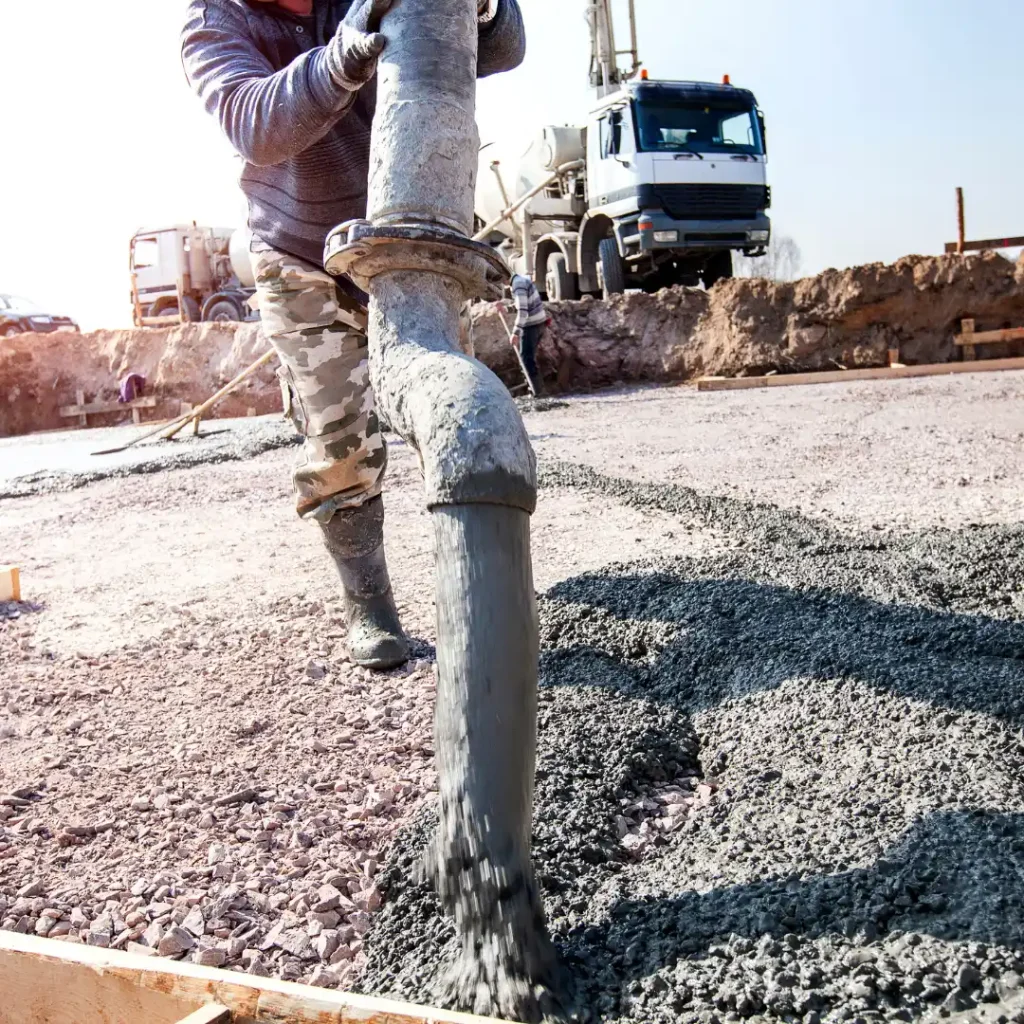
Every home begins with strong footings. Without them, slabs may crack under shifting soil. House slabs in Melbourne often combine footings and reinforced concrete to ensure stability.
Shed Slabs
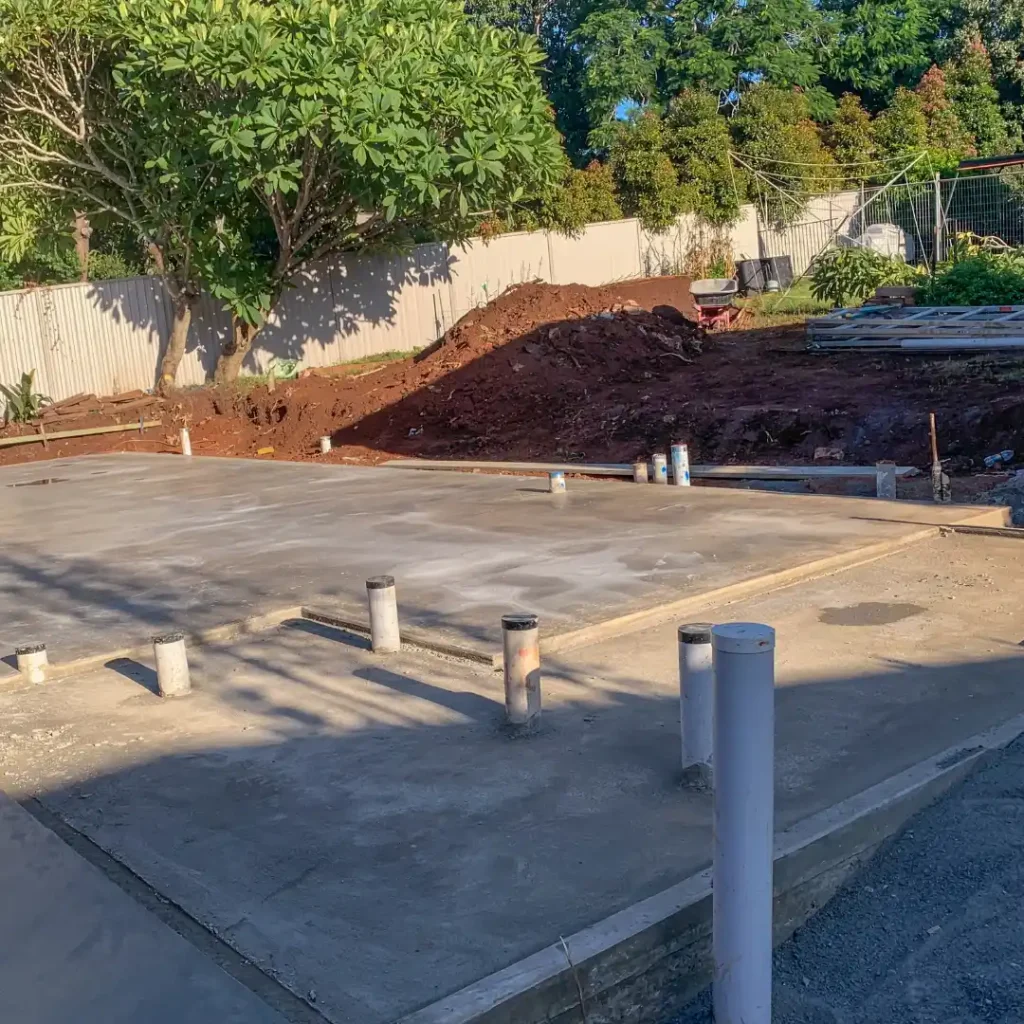
Whether for a small garden shed or large workshop, shed slabs rely on footings to carry the load. Properly poured footings prevent uneven settling.
Retaining Walls
Concrete footings are vital for retaining walls. They resist soil pressure and prevent walls from leaning over time.
Outdoor Structures
Carports, pergolas, and patios often require pad footings for posts. These small but strong foundations keep structures upright and secure.
Why Concrete Footings Are Essential in Melbourne Soil Conditions
Melbourne has a mix of clay, sandy, and reactive soils. These conditions can expand, shrink, or shift, affecting structural stability. That’s why concrete footings Melbourne projects need professional planning.
Clay soils expand and contract with moisture changes.
Sandy soils require wider footings for stability.
Reactive soils need reinforced footings to handle ground movement.
By understanding local conditions, concreters ensure your footings are designed to last.
Concrete Footings vs Other Foundation Options
Some property owners consider alternatives like timber posts or screw piles. While these can work in light projects, concrete footings remain the most reliable choice for long-term strength.
Advantages of Concrete Footings:
More durable than timber or steel options.
Can be reinforced with rebar for extra load capacity.
Resistant to weather, termites, and corrosion.
Cost-effective compared to constant repairs or replacements.
For projects that demand lasting results, concrete footings are the clear choice.

How Much Do Concrete Footings Cost in Melbourne?
The cost of footings varies based on:
Size & depth of excavation
Type of footing required
Soil conditions
Amount of reinforcement
On average, smaller pad footings may cost a few hundred dollars, while larger strip or retaining wall footings can range higher depending on complexity. Getting a detailed concrete quote ensures accurate pricing for your project.
Signs You May Need New or Reinforced Footings
Cracking in walls or concrete slabs
Doors and windows not closing properly
Uneven floors or sinking structures
Leaning retaining walls
If you notice these issues, your property may need new or reinforced footings.
Why Choose Concrete Footings for Long-Term Value
When you invest in concrete footings in Melbourne, you’re investing in stability and peace of mind. Quality footings prevent costly repairs, add strength to your project, and ensure everything built above remains secure.
Looking to get started with concrete footings in Melbourne? Whether it’s for a new house slab, shed, retaining wall, or outdoor project, professional concreters can provide the right footing solution for your site.
Contact Melbourne Concretes today for a free quote and discuss your project requirements. Build your project on a strong foundation with durable concrete footings.
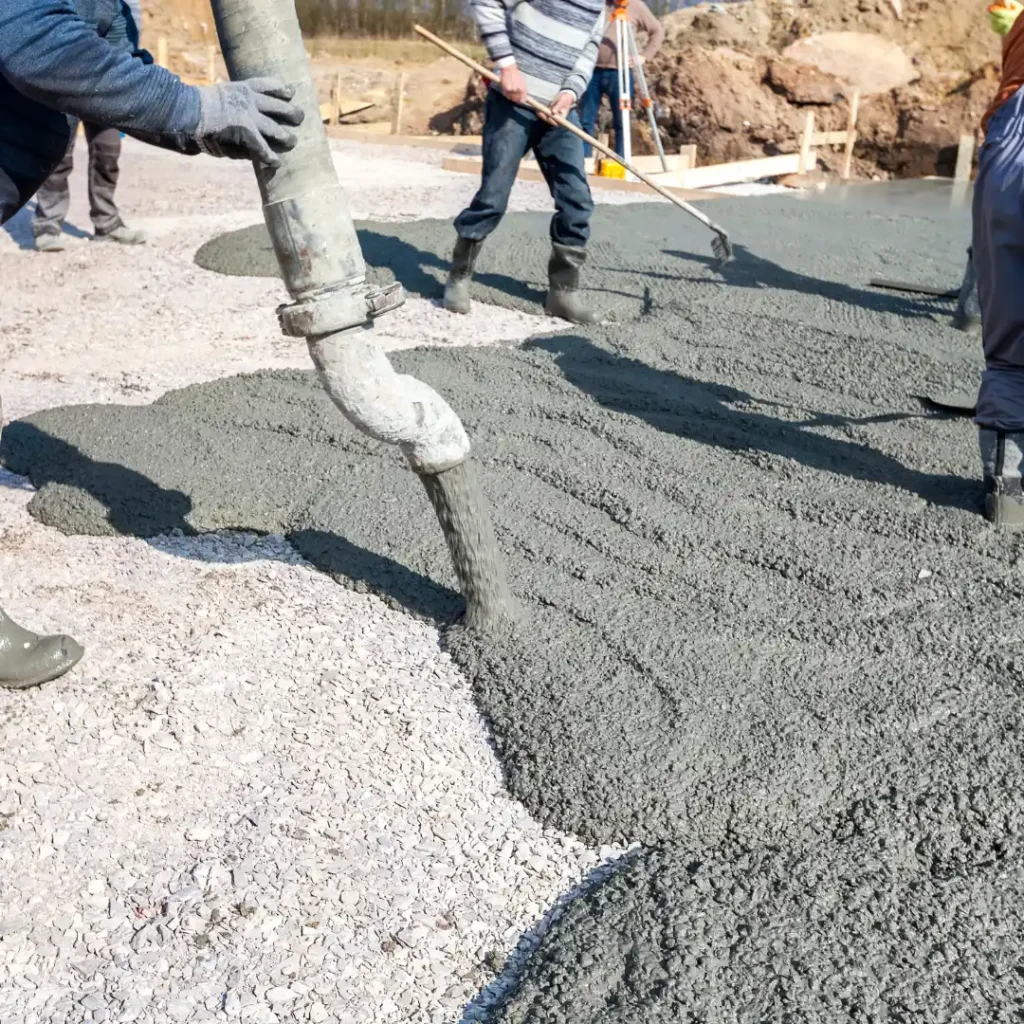
Understanding the Importance of Concrete Footings in Melbourne Construction Projects
Concrete footings form the foundation of stability for any structure. They are the base upon which walls, slabs, and entire buildings stand, distributing weight evenly across the soil. In Melbourne, where soil conditions vary from clay-rich areas to sandy zones, ensuring the right type of concrete footings is crucial to prevent shifting, cracking, or long-term structural issues.
The main role of concrete footings is to anchor a structure to the ground and prevent settlement. Without properly installed footings, even the strongest walls can begin to tilt or show cracks over time. This is especially important in Melbourne’s diverse suburbs, where weather patterns, rainfall, and underground moisture levels can affect soil movement.
Different structures demand different footing depths and designs. For example, a single-storey home in an outer Melbourne suburb may only require shallow strip footings, while a multi-level commercial building in the CBD may demand deeper and reinforced options. Engineers also consider frost, soil reactivity, and load-bearing requirements when recommending footing designs.
Homeowners and builders in Melbourne should also be aware that council regulations often require specific footing depths and reinforcement standards, especially in high-risk soil zones. Ignoring these standards not only risks structural integrity but can also lead to costly repairs and compliance issues later.
In short, concrete footings are not just an unseen part of construction; they are the silent strength behind every stable driveway, patio, home, or commercial building. Understanding their role ensures projects last for decades without major issues.
Different Types of Concrete Footings and Their Applications
When planning a building or outdoor project in Melbourne, one of the most important decisions is choosing the right type of concrete footings. Each type has its own advantages depending on the size, load, and soil conditions. Below are the most common footing styles used in residential and commercial projects:
1. Strip Footings
Ideal for supporting load-bearing walls.
Common in residential houses across Melbourne.
Spread the weight of walls evenly, reducing the risk of cracking in soils with moderate movement.
2. Pad Footings
Square or rectangular pads placed beneath columns.
Used when individual columns or posts support the structure.
Often seen in verandahs, pergolas, and some commercial designs.
3. Raft Footings (Raft Slabs)
Large slabs of concrete that cover the entire base of a structure.
Suitable for sites with weaker soils where individual footings might not provide enough stability.
Popular in modern home builds across Melbourne’s outer suburbs.
4. Pier and Beam Footings
Consist of deep concrete piers that are connected by beams.
Useful for heavy loads or unstable soils.
Common in larger commercial projects and areas prone to soil expansion.
5. Stepped Footings
Designed for sloped sites around Melbourne’s hilly areas.
Allow the structure to remain level while adapting to changing ground levels.
Prevents excessive excavation and soil removal.
Each of these footing types requires specific reinforcement, curing, and installation techniques. The decision depends heavily on site surveys, soil tests, and structural engineering assessments. For Melbourne property owners, understanding these types allows them to better plan and budget for their projects while ensuring long-term durability.
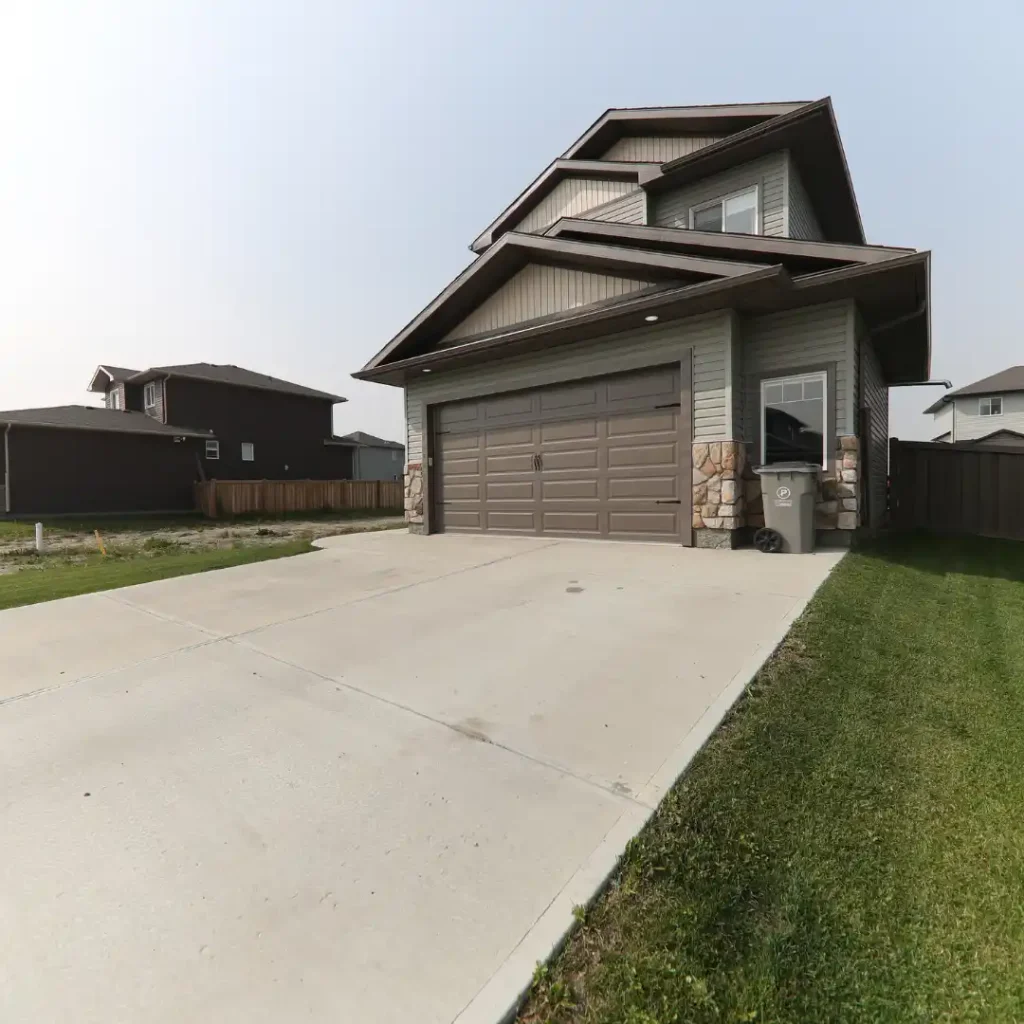
Factors That Influence the Design and Cost of Concrete Footings in Melbourne
Several factors affect how concrete footings are designed and how much they cost. Being aware of these factors helps builders, developers, and homeowners make informed decisions and avoid unexpected expenses:
1. Soil Type and Stability
Melbourne has a mix of soil conditions — from highly reactive clay in the northern suburbs to sandy soils in bayside areas. Soil testing is essential before designing footings, as unstable soil requires deeper or more reinforced options.
2. Load Requirements
The heavier the structure, the stronger and deeper the footings must be. For instance, a lightweight garden shed may only require shallow pads, while a double-storey brick house requires reinforced strip or raft footings.
3. Site Accessibility
If the site has limited access for machinery, footing installation becomes more labour-intensive, which can increase costs. Steep blocks and tight urban areas in inner Melbourne often face this challenge.
4. Council Regulations and Standards
Building codes in Melbourne require footings to meet specific standards regarding depth, reinforcement, and design. Compliance with these rules ensures safety and reduces long-term risks.
5. Concrete Quality and Reinforcement
The strength grade of concrete and the type of steel reinforcement used affect durability. For example, projects in flood-prone or coastal areas may need higher-grade concrete to withstand moisture and erosion.
6. Excavation Depth
Shallow excavations are less expensive, while deep footing installations for multi-level buildings or unstable soils significantly add to costs.
7. Weather and Groundwater Conditions
Heavy rainfall or high groundwater levels can slow down the process and may require drainage solutions before pouring concrete.
By understanding these factors, Melbourne property owners can budget realistically and ensure their projects are built on reliable, long-lasting foundations.
Best Practices for Long-Lasting and Durable Concrete Footings
Even though concrete footings are designed to last decades, their lifespan and effectiveness depend on proper installation and ongoing care. Following best practices ensures that footings remain strong and continue supporting the structure without failure:
1. Conduct Soil Testing Before Construction
Never skip soil testing. Knowing whether the site has reactive clay, sand, or firm ground is the first step in designing safe and durable footings.
2. Ensure Correct Excavation
The footing trench must be dug to the correct depth and width. Poor excavation can cause uneven footing settlement, leading to cracks in walls and floors above.
3. Use the Right Concrete Mix
The strength of the concrete mix should be suited to the load requirements and environmental conditions. Using the wrong mix can reduce the lifespan of the footings.
4. Proper Steel Reinforcement
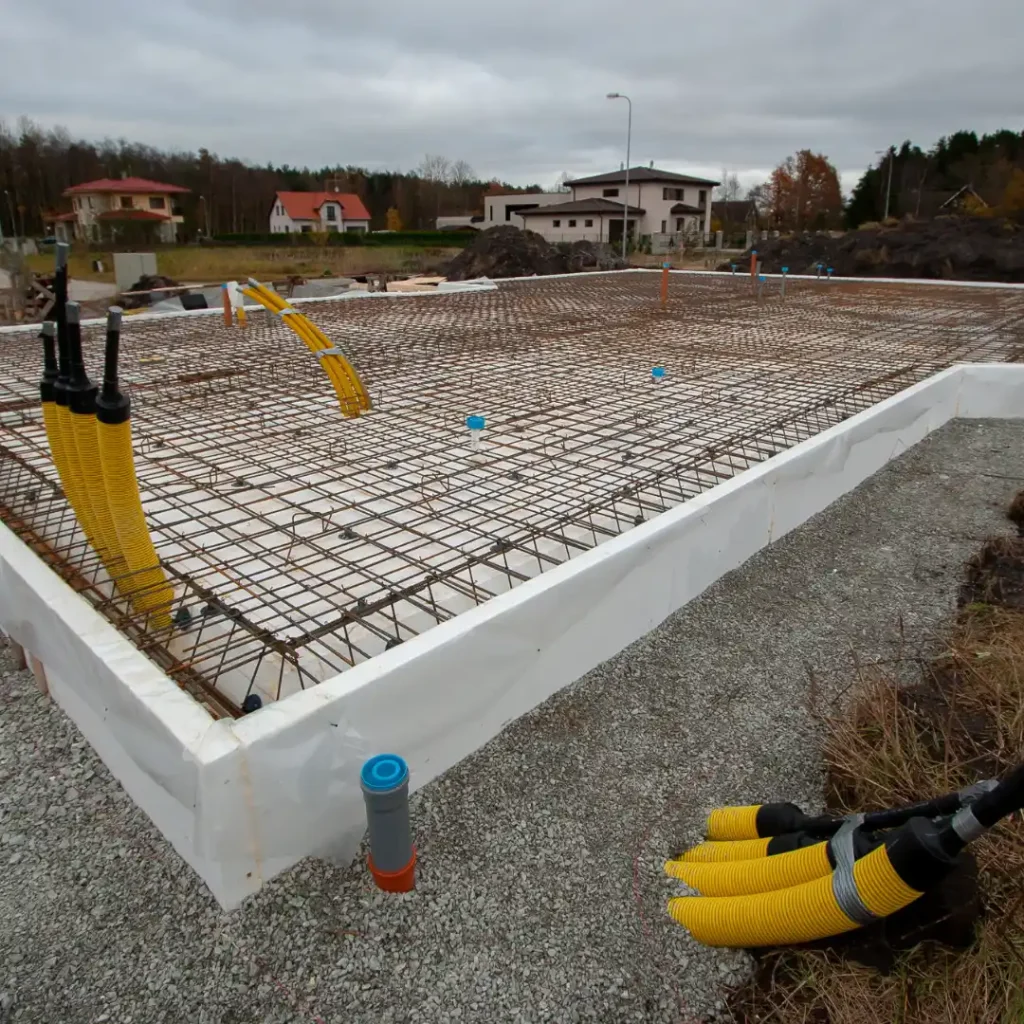
Reinforcement bars (rebar) must be positioned correctly to strengthen the footing against tension forces. Incorrect placement can compromise the structure.
5. Adequate Curing
Concrete needs proper curing time to gain full strength. Footings that are rushed or exposed to premature load may develop cracks and weaknesses.
6. Drainage Considerations
Melbourne’s climate brings periods of heavy rainfall, which can saturate soil around footings. Proper drainage prevents waterlogging that may weaken foundations.
7. Regular Inspections
Even after installation, it’s important to inspect footings if signs of movement, cracks, or water damage appear around the property. Early detection prevents costly structural repairs.
By following these practices, property owners and builders in Melbourne can be confident that their concrete footings will provide lasting strength, resist soil movement, and maintain structural stability for decades.
Frequently Asked Questions (FAQs)
Look for contractors with proven experience, customer reviews, and a portfolio of work. Reliable Melbourne concreters should also provide clear quotes and knowledge of local building standards.
The cost of a concrete driveway in Melbourne depends on size, finish, and site preparation. On average, standard driveways cost less than exposed aggregate driveways or coloured concrete finishes.
Exposed aggregate driveways are popular in Melbourne because they are durable, non-slip, and available in a wide range of decorative finishes. They also withstand heavy traffic and weather conditions.
Yes. Polished concrete floors are stylish, low-maintenance, and highly durable. Many homeowners choose polished finishes for living rooms, kitchens, and outdoor entertaining areas.
Professional concrete contractors in Melbourne can prepare and pour house slabs and concrete footings. These form the foundation of a safe and stable home.
Most concrete driveways in Melbourne take 3–5 days depending on size, weather, and the type of finish. Decorative or exposed aggregate driveways may take longer due to curing and sealing.
Popular finishes include exposed aggregate, polished concrete, honed concrete, stamped patterns, and coloured concrete. Each finish offers different visual styles and slip resistance.
Yes. Concrete is ideal for patios, pool surrounds, and outdoor kitchens. Melbourne homeowners often choose exposed aggregate or honed concrete for slip resistance and modern design.
Concrete driveways generally last longer and require less maintenance compared to paving. Options like coloured concrete driveways and exposed aggregate driveways also improve curb appeal.
Most reputable concrete contractors in Melbourne offer free, no-obligation quotes for driveways, slabs, footings, and decorative finishes. This helps homeowners compare pricing before starting a project.
With proper installation and sealing, concrete driveways, pathways, and slabs can last 25–30 years or more. Choosing professional concreters ensures maximum durability.
Yes. Homeowners can choose from a wide range of coloured concrete, stamped patterns, and decorative finishes. Customisation allows concrete to complement any home style in Melbourne.