
Strong Foundations with House Slabs in Melbourne
Pour It Strong! Reliable Concrete Services Just a Quote Away!
Melbourne house slabs
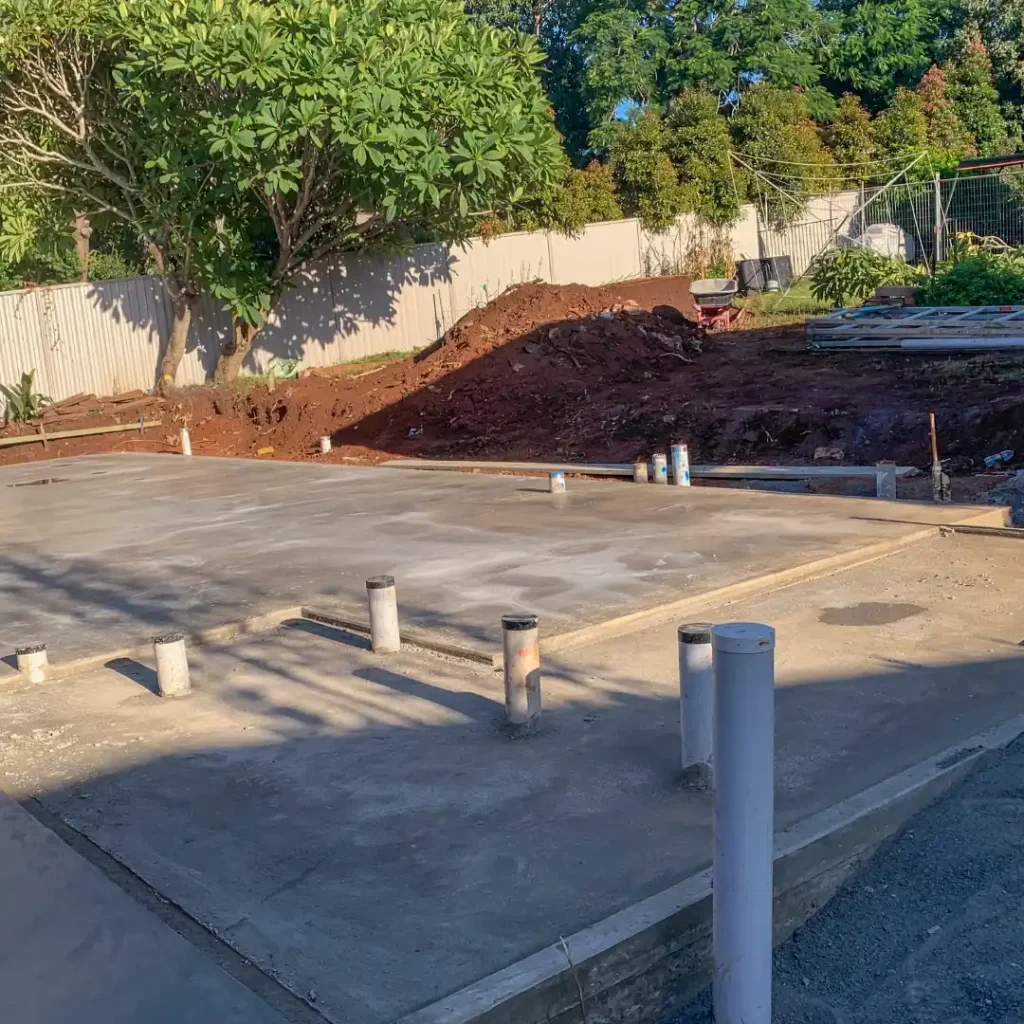
When it comes to building a home, nothing is more important than starting with a solid foundation. That’s why house slabs in Melbourne have become the go-to choice for residential construction. A concrete house slab provides strength, durability, and stability, giving homeowners peace of mind that their property is built to last. Whether you’re planning a new build, extending your home, or preparing a site for a granny flat or shed, a well-prepared slab ensures your structure remains safe, level, and long-lasting.
Why House Slabs Are Essential for Melbourne Homes
Every property in Melbourne faces unique ground conditions, from clay soils to shifting foundations caused by moisture changes. A properly designed concrete house slab prevents uneven settling, cracks, and structural issues that can appear years after construction.
Load-bearing support – Slabs distribute the weight of the house evenly across the ground.
Durability – A reinforced concrete slab withstands heavy loads and the test of time.
Moisture protection – Slabs act as a barrier against dampness and rising ground moisture.
Design flexibility – Suitable for single-storey, double-storey, or extension projects.
With housing demand in Melbourne on the rise, choosing the right slab on concrete is one of the most important steps in ensuring your property’s long-term value.
Types of House Slabs in Melbourne
Not all slabs are the same. The right choice depends on soil conditions, property design, and budget. Here are the most common slab options used in Melbourne:
1. Raft Slabs
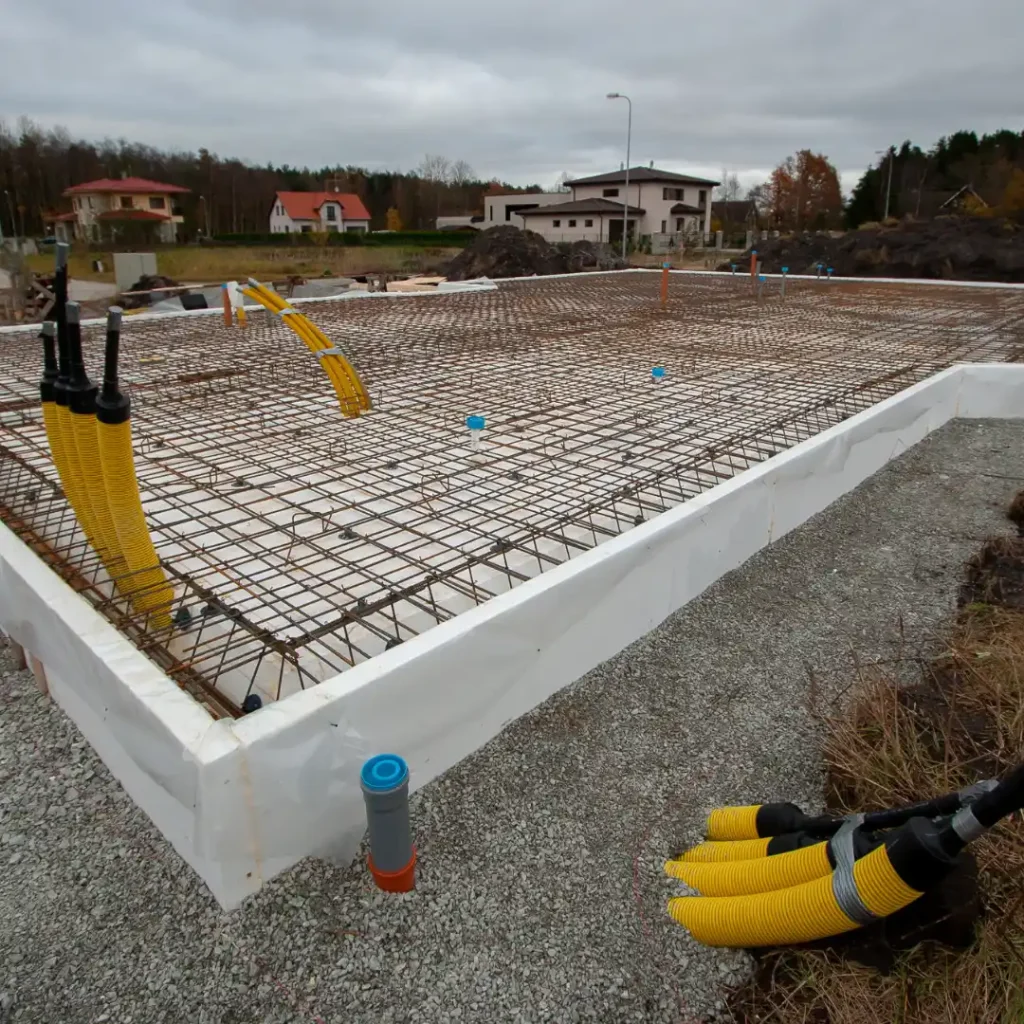
Raft slabs are among the most popular for residential builds. Steel reinforcement runs through the slab, spreading the load across the soil. This type of slab is ideal for areas with reactive clay soils, which are common across Melbourne suburbs.
2. Waffle Slabs
Waffle slabs use a grid of polystyrene pods, making them lighter while still offering excellent strength. They’re faster to install and often more cost-effective for new home builds.
3. Slab-on-Ground
This traditional method involves pouring a thick slab directly onto prepared ground with deepened edges. It’s suitable for flat sites and provides a strong base for residential and small commercial projects.
4. Suspended Slabs
Suspended slabs are used where the home design requires an elevated floor or where the site has uneven terrain. They provide great flexibility for split-level or sloping blocks.
Each slab type offers unique benefits, and choosing the right one is essential for building a safe and lasting home.
Request A Quote
Complete the form below and we’ll contact you ASAP.
Preparing for a House Slab in Melbourne
Before pouring concrete, the site must be carefully prepared. Proper preparation ensures the slab remains strong and stable for decades. The process generally includes:
Soil testing and site assessment – Identifying ground conditions to determine slab design.
Excavation and levelling – Clearing vegetation, rocks, and debris before levelling the site.
Compaction and base preparation – Ensuring the soil is compacted to prevent sinking or shifting.
Formwork and reinforcement – Installing timber or steel frames and steel reinforcement mesh.
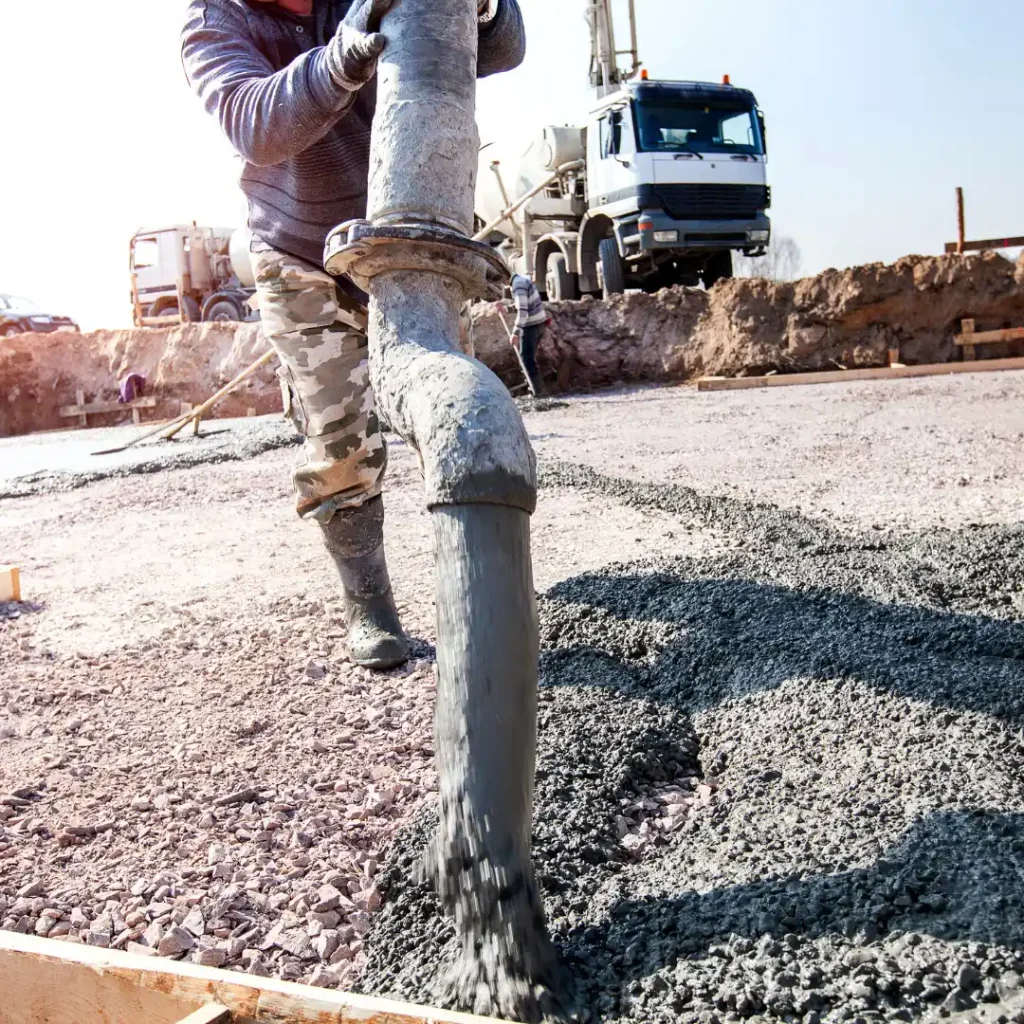
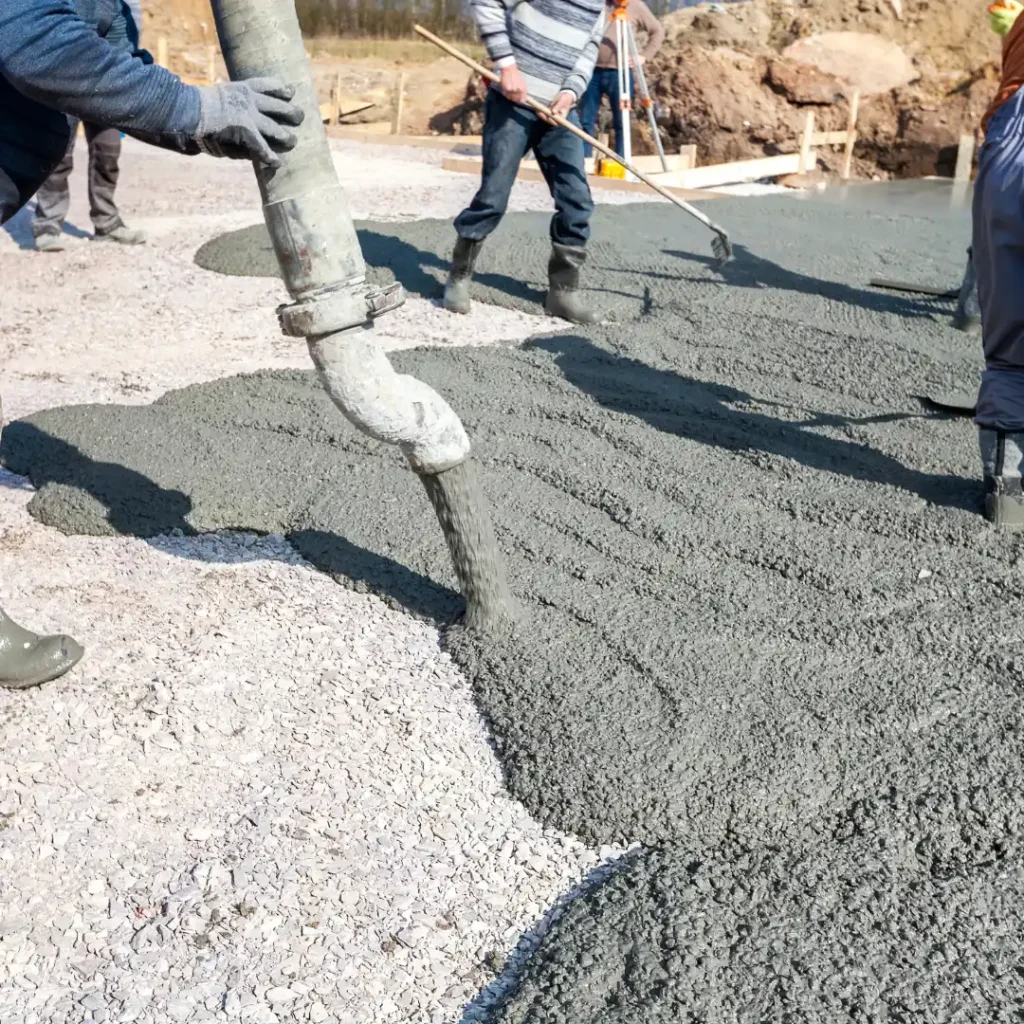
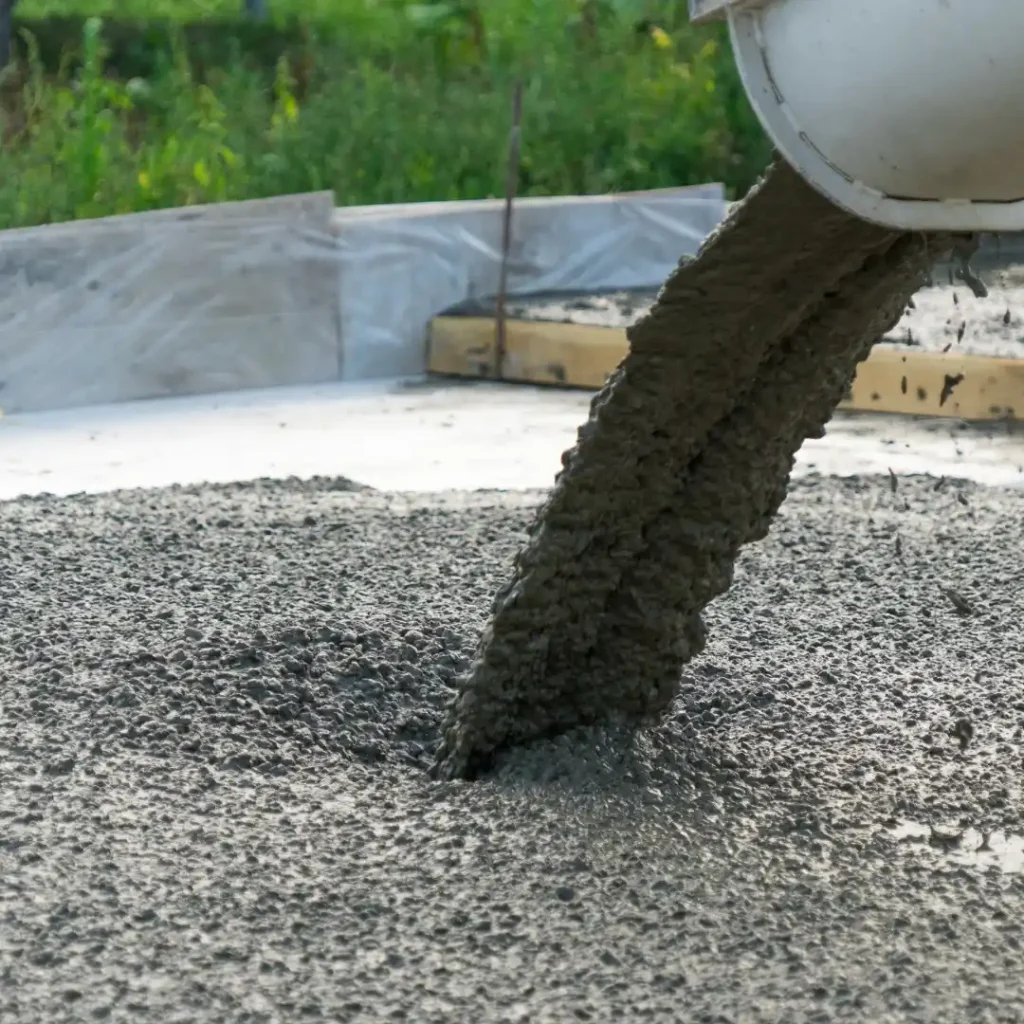
Concrete pouring and finishing – Pouring high-quality concrete, levelling, and smoothing the surface.
Each step requires precision, as even minor errors during preparation can lead to costly repairs down the line.
Benefits of Choosing Concrete House Slabs in Melbourne
Concrete slabs continue to be the foundation of choice for new homes across Melbourne due to their many advantages:
Long-Term Stability – Unlike timber flooring, slabs do not warp, rot, or deteriorate when properly installed.
Energy Efficiency – Concrete slabs help regulate indoor temperatures by storing and releasing heat, reducing heating and cooling costs.
Termite Protection – A well-sealed slab minimises the risk of termite entry, which is crucial in Melbourne’s climate.
Cost-Effective Construction – Slabs are generally faster and more economical to build compared to other foundation systems.
Low Maintenance – Once installed, slabs require very little upkeep, making them a hassle-free option for homeowners.
House Slabs for Extensions and Renovations
House slabs aren’t just for new builds. Many Melbourne homeowners are extending their existing homes or adding outdoor structures such as sheds, granny flats, and patios. A properly poured concrete slab ensures the new addition blends seamlessly with the existing structure.
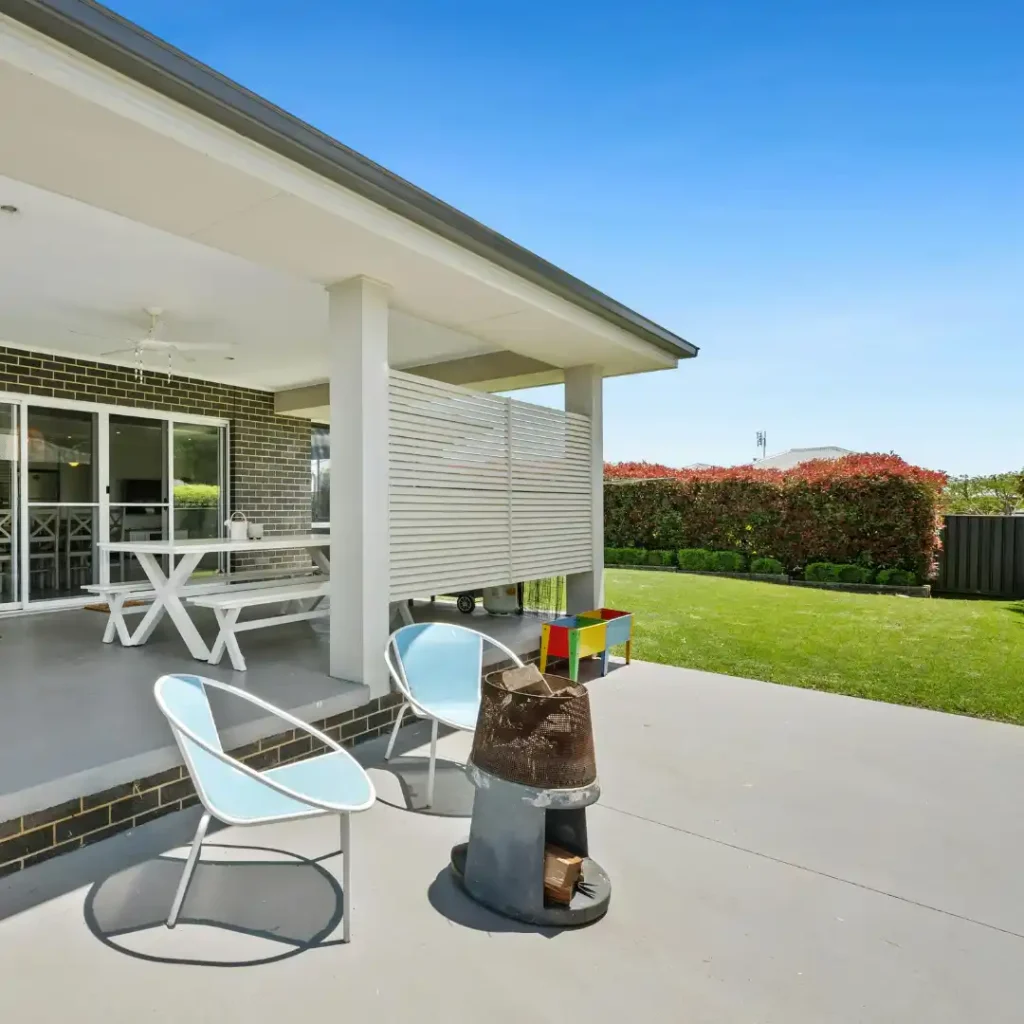
Whether you’re upgrading your backyard with a concrete patio or planning a modern extension, slab work provides a strong and level base that adds value to your property.
Cost of House Slabs in Melbourne
One of the most common questions is, “What is the cost of a house slab in Melbourne?” The answer depends on several factors:
Size of the slab – Larger slabs require more concrete and reinforcement.
Soil conditions – Reactive or unstable soil may require additional preparation.
Slab design – Waffle slabs, raft slabs, and suspended slabs have different pricing.
Finishes and extras – Polished concrete or coloured finishes add to the cost.
While prices vary, investing in a well-designed slab saves money long-term by preventing structural issues and costly repairs.

Choosing Concreters for House Slabs in Melbourne
When searching for concreters near me or concrete contractors Melbourne, it’s important to find professionals who understand local soil conditions, council requirements, and slab designs. A properly installed slab ensures your home or extension is built on a foundation that will stand the test of time.
Look for concreters who can:
Provide clear advice on the best slab type for your project.
Deliver quality workmanship with attention to detail.
Handle site preparation, formwork, reinforcement, and finishing.
Additional Services Related to House Slabs
In addition to house slabs, many homeowners in Melbourne also require other concreting solutions, such as:
Concrete driveways – Durable, attractive driveways in exposed aggregate, coloured, or plain concrete.
Patios and walkways – Functional outdoor areas built to last.
Retaining wall footings – Strong footings for landscaping and garden structures.
Concrete pads for sheds – Secure bases for outdoor buildings and workshops.
By combining these services with your house slab project, you can streamline your construction process and ensure all concrete work is completed to a consistent standard.
House Slabs in Melbourne: Building for the Future
Building a home is one of the biggest investments you’ll ever make, and it all begins with a solid slab. With the right design, preparation, and installation, your house slab in Melbourne will provide the strength and stability your property needs for years to come.
Whether you’re constructing a brand-new home, extending your living space, or building a backyard addition, choosing a quality concrete slab is the foundation of a safe, durable, and energy-efficient property. To arrange a quote, contact Melbourne Concretes.

Understanding the Importance of Strong House Slabs in Melbourne Construction
When it comes to residential construction, one of the most critical components is the foundation. A home’s durability, safety, and long-term performance largely depend on the house slabs beneath it. In Melbourne, where varying soil conditions and changing weather patterns play a big role in building outcomes, ensuring that your house slab is designed and constructed correctly is essential.
House slabs are essentially the large, flat layers of reinforced concrete that act as the base for your home. They distribute the weight of the structure evenly across the soil, preventing issues like sinking, cracking, or uneven settling. Unlike traditional stumps or footing systems used in older properties, modern house slabs are engineered to withstand not only the load of the home but also external pressures such as soil movement, heavy rainfall, or even drought-induced shrinkage of the ground.
In areas of Melbourne where clay soils are common, slabs need to be designed with movement in mind. Clay expands significantly during wet periods and contracts during dry spells, creating conditions that can stress poorly designed foundations. For this reason, structural engineers often recommend reinforced concrete house slabs with additional measures like moisture barriers and steel mesh reinforcement.
Another factor that highlights the importance of high-quality slabs is energy efficiency. Modern house slabs can be designed to provide excellent thermal mass, meaning they absorb heat during the day and release it slowly at night. This helps regulate indoor temperatures, reducing reliance on heating and cooling systems. With Melbourne’s climate bringing hot summers and cool winters, this energy efficiency can lead to noticeable long-term savings.
Safety also cannot be overlooked. A poorly constructed slab can lead to structural instability, cracks in walls, misaligned doors and windows, or even more serious foundation problems. These issues are not only expensive to fix but can also compromise the safety of those living inside the house. That’s why the slab is considered the backbone of the home, and ensuring its strength and durability is non-negotiable.
Different Types of House Slabs and Their Uses in Melbourne Homes
Not all house slabs are the same. In Melbourne, builders and homeowners can choose from several slab types, each offering unique benefits depending on soil conditions, home design, and budget. Understanding these options can help you make informed decisions during the planning stage.
Raft Slabs
Also known as “on-ground slabs,” raft slabs are one of the most commonly used house slabs in Melbourne. They are constructed by pouring a single thick slab of reinforced concrete directly onto the ground, with thicker sections (called beams) around the edges and throughout the slab for extra strength. Raft slabs are ideal for areas with stable soil and moderate site conditions.
Advantages of raft slabs include affordability, quick installation, and strong load-bearing capacity. They also provide excellent support for single and double-storey homes. However, if soil conditions are highly reactive, raft slabs may require additional reinforcement or engineering to remain stable.
Waffle Slabs
Waffle slabs are another popular choice, especially in suburban Melbourne developments. These slabs use a grid system of concrete beams poured over polystyrene or void formers, creating a structure that looks like a waffle from below. They are lighter than traditional raft slabs but still provide excellent support.
The main benefit of waffle house slabs is their cost-effectiveness. They use less concrete while maintaining strength, which can reduce overall building expenses. They also perform well on sites with moderately reactive soils. However, proper drainage must be ensured, as poor water management can affect their performance.
Suspended Slabs
Suspended slabs are elevated above the ground, supported by columns, beams, or walls. They are commonly used for homes built on sloping blocks or in areas where raising the house above the ground level is necessary for flood protection.
These slabs provide design flexibility, as they can be used for multiple levels, balconies, or garages. While suspended house slabs are more expensive due to their complexity, they are the best choice for sites with uneven terrain or challenging soil conditions.
Post-Tensioned Slabs
Post-tensioned slabs use steel cables stretched within the concrete after it has set, adding extra strength and reducing cracking risks. These are increasingly used in modern housing projects across Melbourne because they allow for thinner slabs while maintaining durability.
They are particularly useful in large homes or projects requiring open-plan designs without many internal walls. Although post-tensioned slabs involve higher upfront costs, their long-term resilience makes them a worthwhile investment.
By understanding the differences between raft, waffle, suspended, and post-tensioned house slabs, homeowners in Melbourne can select the most appropriate option for their property’s needs, ensuring long-lasting stability and performance.

Key Factors That Influence the Design and Performance of House Slabs
The success of any slab construction doesn’t just depend on the type chosen—it also depends on the site conditions, engineering design, and quality of workmanship. Several important factors influence how well house slabs perform in Melbourne’s diverse environments.
Soil Type and Site Conditions
Soil conditions vary across Melbourne, from sandy soils to highly reactive clay. Before a slab can be designed, geotechnical investigations are carried out to determine soil reactivity, moisture content, and bearing capacity. A highly reactive soil may require a more complex slab design with deeper edge beams or additional reinforcement.
Drainage and Moisture Control
Poor drainage is one of the biggest threats to house slabs. Excess water around the foundation can cause soil expansion, while a lack of moisture can lead to shrinkage. Both scenarios put stress on the slab, increasing the risk of cracking. Proper site grading, installation of drains, and moisture barriers are critical to protecting the slab.
Reinforcement and Concrete Strength
Steel mesh reinforcement and high-quality concrete are essential to the durability of slabs. Reinforcement helps resist tensile stresses and prevents cracking, while the concrete’s compressive strength ensures the slab can bear heavy loads. In Melbourne, compliance with Australian Standards ensures that slabs are constructed with the right materials and techniques.
Climate and Temperature Fluctuations
Melbourne’s climate can be unpredictable, with hot summers, cold winters, and sudden changes in weather. These fluctuations can affect slab performance, especially if expansion joints and thermal considerations are not factored into the design. Correct planning helps manage thermal stresses, reducing the risk of slab damage.
Construction Quality
Even the best design can fail if the slab is not built correctly. Proper preparation of the base, accurate placement of reinforcement, correct pouring and curing techniques, and finishing quality all contribute to the overall performance of house slabs. Cutting corners at this stage often leads to costly repairs later on.
Common Problems with House Slabs and How to Prevent Them
While modern slab designs and construction practices are highly reliable, problems can still occur if important precautions are not taken. Knowing these issues and how to prevent them can save homeowners significant stress and expense.
Cracking
Cracks are among the most common issues seen in house slabs. While minor surface cracks may not be structurally significant, larger cracks can indicate movement or excessive stress. Causes include soil movement, poor drainage, inadequate reinforcement, or improper curing during construction. Preventing cracks starts with a well-engineered design, quality materials, and careful workmanship.
Slab Heave
Slab heave occurs when the ground beneath the slab swells due to excess moisture, lifting parts of the slab unevenly. This is particularly common in areas with clay soils. It can lead to uneven floors, cracked walls, and misaligned doors or windows. Preventing slab heave involves proper site preparation, moisture management, and choosing slab types suited to reactive soils.
Subsidence
The opposite of slab heave, subsidence happens when the soil beneath the slab contracts or erodes, causing the slab to sink. This often results from poor compaction, drainage issues, or underground water leaks. Adequate site assessment, soil compaction, and proper plumbing installations reduce the risk of subsidence.
Poor Insulation and Energy Loss
Some older house slabs lack proper insulation, leading to higher energy bills and less comfortable living environments. Today, insulating materials can be added beneath or around the slab to improve energy efficiency, making homes warmer in winter and cooler in summer.
Water Damage
If water penetrates beneath or around the slab, it can lead to structural problems over time. Waterproof membranes, good site drainage, and guttering systems all play a role in keeping slabs protected from water damage.
By understanding these common problems and taking preventative measures, homeowners in Melbourne can ensure their house slabs remain strong and durable for decades to come.
Frequently Asked Questions (FAQs)
Look for contractors with proven experience, customer reviews, and a portfolio of work. Reliable Melbourne concreters should also provide clear quotes and knowledge of local building standards.
The cost of a concrete driveway in Melbourne depends on size, finish, and site preparation. On average, standard driveways cost less than exposed aggregate driveways or coloured concrete finishes.
Exposed aggregate driveways are popular in Melbourne because they are durable, non-slip, and available in a wide range of decorative finishes. They also withstand heavy traffic and weather conditions.
Yes. Polished concrete floors are stylish, low-maintenance, and highly durable. Many homeowners choose polished finishes for living rooms, kitchens, and outdoor entertaining areas.
Professional concrete contractors in Melbourne can prepare and pour house slabs and concrete footings. These form the foundation of a safe and stable home.
Most concrete driveways in Melbourne take 3–5 days depending on size, weather, and the type of finish. Decorative or exposed aggregate driveways may take longer due to curing and sealing.
Popular finishes include exposed aggregate, polished concrete, honed concrete, stamped patterns, and coloured concrete. Each finish offers different visual styles and slip resistance.
Yes. Concrete is ideal for patios, pool surrounds, and outdoor kitchens. Melbourne homeowners often choose exposed aggregate or honed concrete for slip resistance and modern design.
Concrete driveways generally last longer and require less maintenance compared to paving. Options like coloured concrete driveways and exposed aggregate driveways also improve curb appeal.
Most reputable concrete contractors in Melbourne offer free, no-obligation quotes for driveways, slabs, footings, and decorative finishes. This helps homeowners compare pricing before starting a project.
With proper installation and sealing, concrete driveways, pathways, and slabs can last 25–30 years or more. Choosing professional concreters ensures maximum durability.
Yes. Homeowners can choose from a wide range of coloured concrete, stamped patterns, and decorative finishes. Customisation allows concrete to complement any home style in Melbourne.